As the seasons shift and the weather changes, your hardwood floors require special attention to maintain their beauty and durability. Whether it’s transitioning from the hot and humid summer months to the cooler, drier autumn or preparing for winter’s harsher conditions, protecting your hardwood floors during these seasonal shifts is essential to ensuring they remain in top condition year-round.
This guide focuses on how to prepare your hardwood floors for the changing weather, with practical tips and thoughtful strategies that appeal to homeowners. After all, your hardwood floors are more than just functional—they're a centerpiece of your home’s aesthetic.
1. Understand How Seasonal Changes Affect Hardwood Floors
Before diving into maintenance and preparation, it’s crucial to understand how changes in weather impact your hardwood floors. Wood is a natural material that responds to fluctuations in temperature and humidity by expanding and contracting. In summer, high humidity can cause the wood to swell, while in fall and winter, the drier air can lead to shrinkage, which can cause gaps, cracks, or even warping if not managed properly.
- Summer to Fall: As temperatures cool and humidity drops, hardwood floors may contract, causing gaps to appear between boards.
- Fall to Winter: Indoor heating can further dry out the air, intensifying the risk of floor shrinkage and cracking.
Understanding these seasonal challenges allows you to prepare and protect your floors before issues arise.
2. Maintain Consistent Humidity Levels
Humidity is one of the biggest environmental factors affecting hardwood floors. Ideally, the humidity in your home should stay between 35-55% to prevent your floors from expanding or contracting too much. This can be difficult to achieve as the seasons change, especially when heating systems dry out the air.
Use Humidifiers and Dehumidifiers
- In the fall and winter, humidifiers are your best friends. As indoor heating systems reduce the moisture in the air, a humidifier can help maintain the right balance and prevent your floors from drying out and shrinking.
- In humid climates or during the summer, dehumidifiers can be used to reduce excess moisture in the air, preventing your floors from swelling.
- Tip: Consider investing in a hygrometer to monitor indoor humidity levels year-round and adjust as needed.
3. Deep Clean Before the Weather Shifts
A deep clean before fall’s wet and muddy conditions arrive is essential for keeping your hardwood floors in pristine condition. Dirt, dust, and debris can act like sandpaper on your floors, scratching and dulling the surface over time.
Cleaning Essentials
- Sweep or Vacuum Regularly: Use a soft-bristle broom or a vacuum with a hardwood floor attachment to remove dirt and debris.
- Mop Sparingly: Hardwood floors don’t mix well with water, so if mopping is necessary, use a barely damp microfiber mop. Avoid using too much water as it can seep into the wood and cause damage over time.
- Use Wood-Safe Cleaners: Choose cleaning products specifically formulated for hardwood floors. Avoid harsh chemicals or overly acidic cleaners, which can strip the finish from your floors.
- Spot Clean: Pay extra attention to areas prone to dirt and moisture, such as entryways and hallways.
4. Protect High-Traffic Areas
Fall and winter often mean more foot traffic in your home as the season brings family gatherings and holiday hosting. High-traffic areas, such as entryways, hallways, and living rooms, are more vulnerable to dirt, mud, and moisture from the outdoors, making protection in these zones critical.
Use Area Rugs and Mats
- Entryway Rugs: Place durable, absorbent rugs at all entrances to catch dirt and moisture before it hits your floors. Coir mats or rubber-backed rugs work well for scraping dirt off shoes.
- Runner Rugs: In hallways or areas with a lot of foot traffic, runner rugs can help prevent wear and tear. Be sure to use rugs with non-slip backing to keep them in place.
- Tip: For added protection, consider using felt or rubber rug pads underneath rugs. These will cushion the floor and reduce friction, preventing scratches.
5. Establish a No-Shoes Policy
One of the easiest ways to protect your hardwood floors is by keeping shoes off them. Shoes can track in dirt, moisture, and debris, which can cause scratching and damage over time.
Create a Shoe-Free Zone
- Shoe Storage: Set up a designated shoe station near the entrance with a bench and storage area. This will encourage family and guests to take off their shoes upon entering the home.
- Provide Slippers: Offer guests indoor slippers or cozy socks to wear while inside, creating a welcoming and comfortable atmosphere that also keeps your floors safe.
6. Trim and Care for Pets
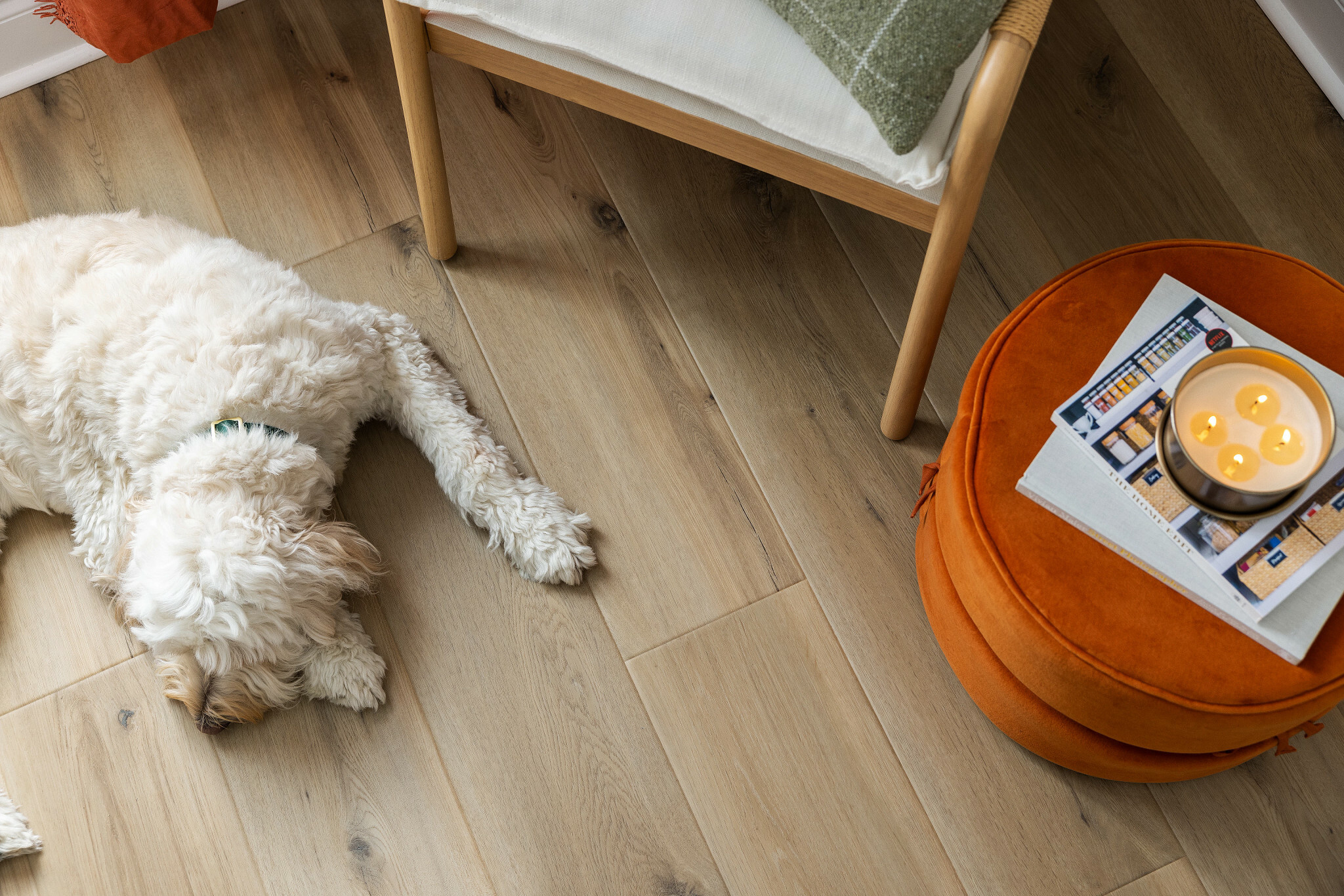
If you have pets, they can unintentionally cause damage to your hardwood floors, especially as the seasons change. Dirt and moisture from outside can get trapped in their paws, while sharp nails can leave scratches on your beautiful wood.
Pet Grooming Tips
- Trim Nails: Regularly trimming your pet’s nails will reduce the risk of scratches.
- Paw Cleaning Station: Set up a small cleaning station by the door with a towel and pet-safe wipes to clean off your pet’s paws before they walk on your floors.
- Tip: Consider using pet-safe wax or oil-based products to buff out minor scratches as they appear.
7. Prepare for Snow and Ice
Winter presents a unique set of challenges for hardwood floors. Ice, snow, and salt can all wreak havoc on your flooring, so taking extra precautions during this time of year is essential.
Winter Prep for Floors
- Boot Trays: Place waterproof boot trays by all entryways to collect water, snow, and salt from shoes.
- Mats Outside and Inside: Use heavy-duty mats outside to scrape off snow and ice, and a more absorbent mat inside to catch any moisture.
- Check Humidity Levels: Remember, indoor heating can dry out the air, leading to potential shrinkage of your hardwood floors. Keep a humidifier running to maintain proper humidity levels during the winter months.
Preparing your hardwood floors for the seasonal changes doesn’t have to be overwhelming. With a few preventative steps, regular cleaning, and mindful care, you can keep your floors looking their best throughout the fall and winter months. From managing humidity levels and applying protective finishes to using rugs and setting up shoe-free zones, these strategies will ensure your hardwood floors continue to enhance the beauty of your home for years to come.
By making seasonal adjustments and taking proactive measures, your hardwood floors will not only survive the changing weather but thrive in it. With thoughtful care, they’ll remain a central design element of your home—beautiful, durable, and ready to shine in every season.