As the crisp autumn air rolls in, so do the seasonal challenges that can impact your beautiful hardwood floors. While fall brings vibrant foliage and cozy moments indoors, it also introduces wet weather, muddy shoes, and debris that can wreak havoc on your flooring. For design-conscious homeowners, maintaining the aesthetic appeal of your hardwood floors while keeping them safe from fall's wet and muddy footprints is a top priority.
In this blog, we’ll explore the most effective ways to safeguard your hardwood floors during the fall season, ensuring they remain as stunning as the day they were installed. From strategic entryway planning to daily maintenance tips, we’ll guide you through the steps to keep your floors clean, dry, and protected.
1. Invest in Durable Entryway Rugs
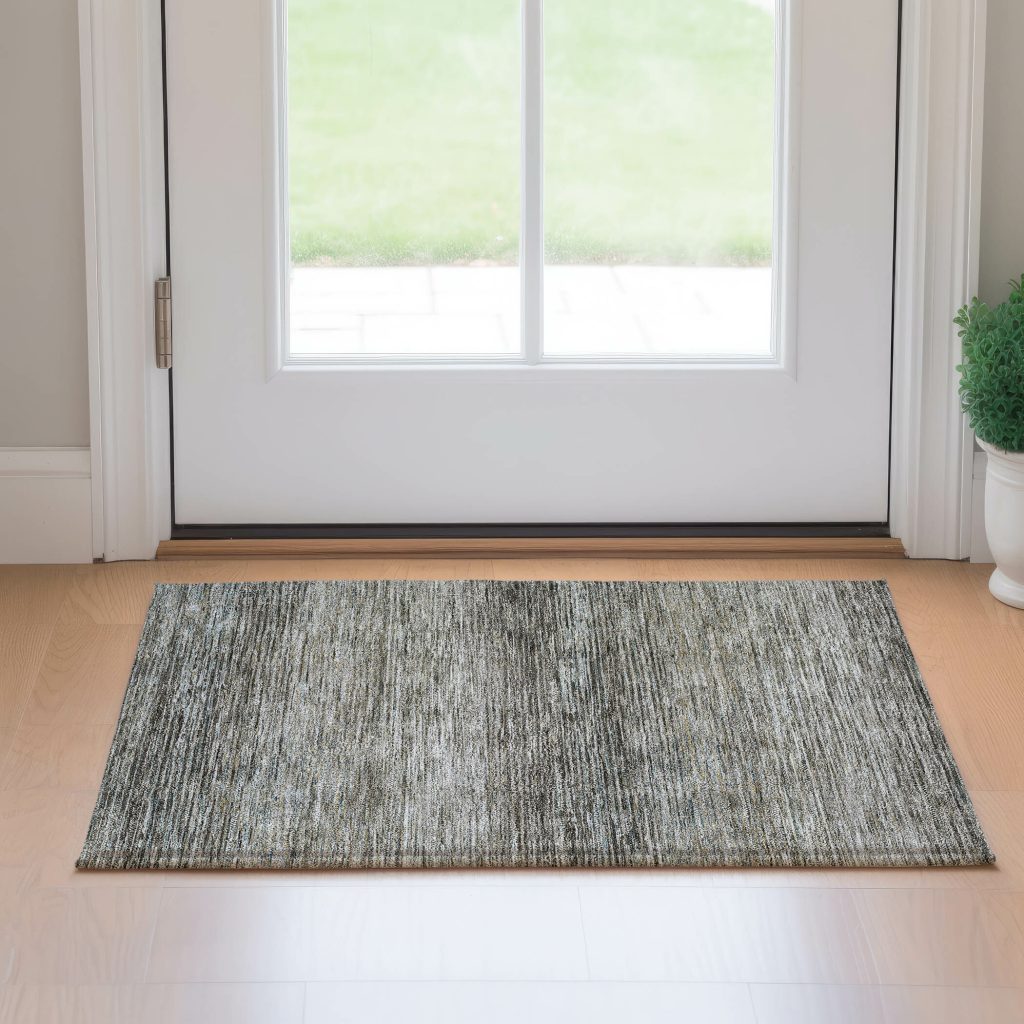
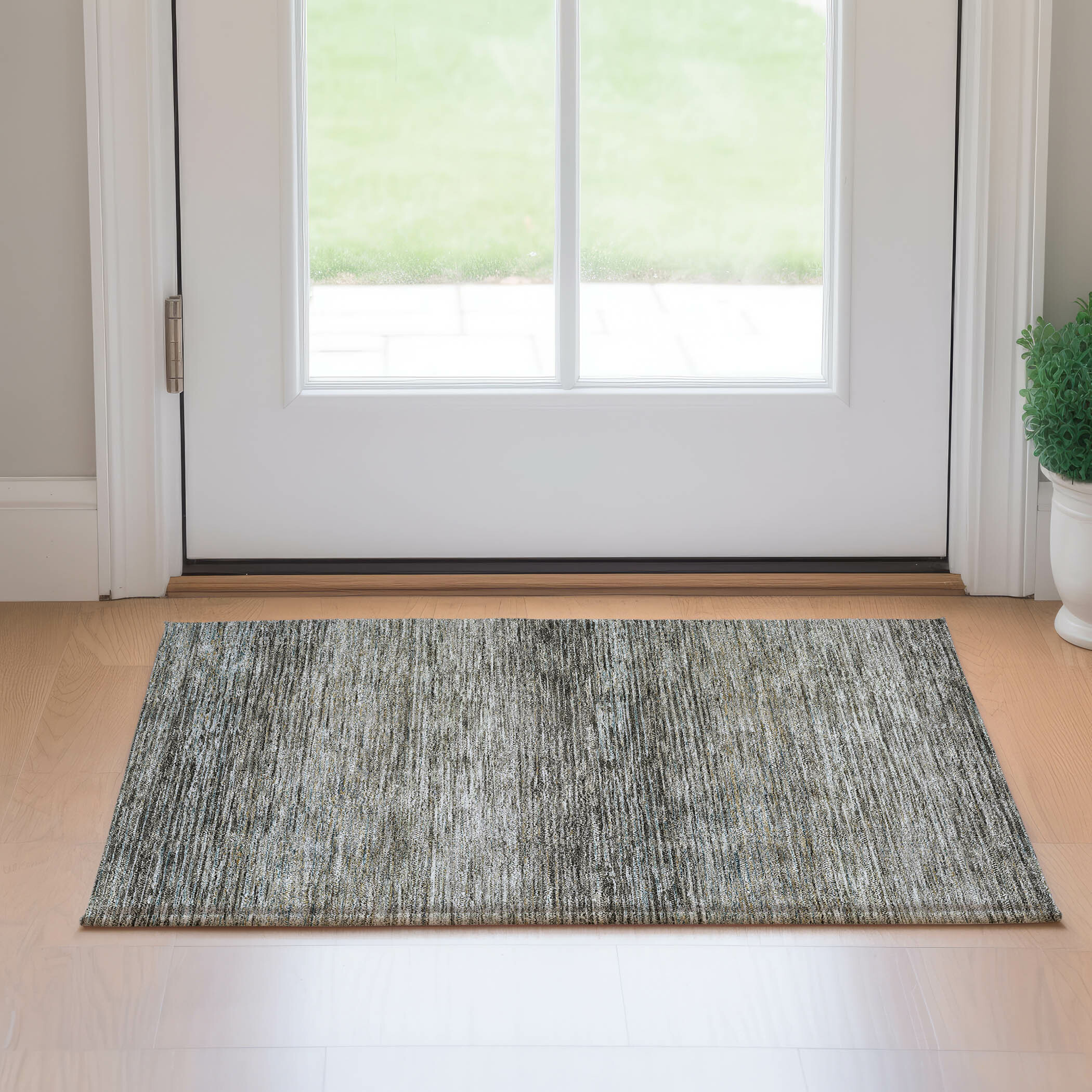
One of the most effective ways to protect your hardwood floors is by using rugs in high-traffic areas, particularly near the entrances of your home. Fall is notorious for bringing in mud, leaves, and moisture, and rugs act as a first line of defense, trapping dirt before it reaches your floors.
Opt for Absorbent Materials
When selecting entryway rugs for fall, prioritize materials that are absorbent and durable. Coir mats, which are made from natural coconut fibers, are excellent for scraping dirt and mud off shoes. Rubber-backed mats are also effective at absorbing moisture and preventing water from seeping through to your floors.
- Tip: Look for rugs with non-slip backing to prevent shifting, which could expose areas of your floor to moisture.
- Placement: Use a heavy-duty mat outside the door to scrape off larger debris and a softer, more absorbent rug just inside the door to catch any remaining moisture or dirt.
2. Establish a No-Shoes Policy Indoors
Encouraging family members and guests to remove their shoes when entering the house is one of the simplest and most effective ways to protect your hardwood floors during the fall season. Wet and muddy shoes are the primary culprits when it comes to tracking dirt and moisture onto your floors, which can cause staining, warping, or even scratching.
Create a Welcoming Shoe Station
To make it easy for everyone to follow your no-shoes policy, consider setting up a designated shoe station by the door. This could include a stylish shoe rack, a bench for sitting, and a basket for storing slippers. This small effort not only keeps your floors cleaner but also adds an element of organization and decor to your entryway.
- Tip: Provide indoor slippers or cozy socks for guests to wear, keeping the atmosphere comfortable and inviting.
3. Use Floor Protectors in High-Traffic Areas
During fall, your home’s high-traffic areas—like hallways, kitchens, and living rooms—become more prone to dirt and debris being tracked in from the outdoors. Protecting these areas from scratches, scuffs, and water damage is essential for preserving the longevity of your hardwood floors.
Consider Runner Rugs
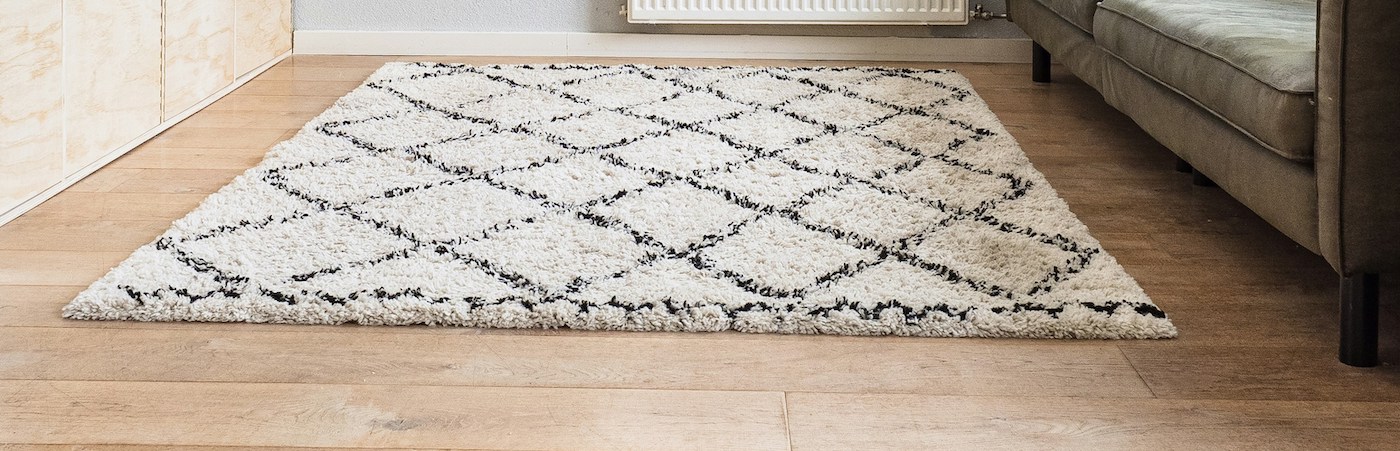
Runner rugs are an excellent solution for protecting your hardwood floors in areas that see the most foot traffic. In hallways or along frequently used pathways, a runner rug can absorb moisture and dirt while preventing direct contact between shoes and your hardwood floors.
- Tip: Look for stain-resistant runner rugs with rubber backing to prevent slipping, and ensure they’re the right size to cover the most frequently used sections of your floor.
4. Clean Up Wet and Muddy Messes Immediately
While prevention is key, spills and muddy footprints are inevitable during fall. To keep your hardwood floors looking pristine, it’s important to clean up any water, mud, or dirt as soon as possible. Moisture left sitting on hardwood can seep into the grain and cause warping, staining, or discoloration over time.
Use the Right Cleaning Tools
When cleaning wet or muddy footprints, avoid harsh chemicals or abrasive scrubbers, as these can damage the finish of your hardwood floors. Instead, opt for a soft microfiber cloth or mop to gently wipe away moisture. Microfiber is ideal because it’s highly absorbent and won’t scratch the surface of your floors.
- Tip: Use a hardwood-friendly cleaner to ensure your floors remain spotless without causing damage to the finish.
- Avoid: Traditional mops that use excessive water. Too much water can seep into the wood and cause swelling or warping.
5. Lay Down Floor Protectors in Entryways
In addition to using rugs, another great way to shield your floors from fall’s wet conditions is by laying down floor protectors in the busiest entryways. These protectors are typically made from rubber or vinyl and can be placed under rugs to prevent moisture from soaking through.
Use Waterproof Boot Trays
For added protection, place a waterproof boot tray near the entrance of your home. These trays are perfect for storing wet or muddy shoes, keeping the mess contained and away from your floors. They can also double as a decorative piece when styled with small plants or seasonal decor.
- Tip: Choose a boot tray with a raised edge to catch any water runoff from boots or umbrellas.
6. Regularly Sweep and Vacuum
Fall brings with it not just wet and muddy conditions, but also falling leaves, dust, and debris. To protect your hardwood floors, it’s important to maintain a regular cleaning routine. Dirt and small particles can act like sandpaper on hardwood floors, causing scratches over time if not cleaned up promptly.
Use a Soft-Bristle Broom or Vacuum with Hardwood Setting
Daily sweeping or vacuuming will help prevent dirt and debris from accumulating on your floors. For hardwood floors, it’s important to use a vacuum with a hardwood setting or a soft-bristle broom to avoid scratching the surface.
- Tip: For areas with high traffic, consider sweeping or vacuuming multiple times a day during peak fall activity to ensure your floors stay clean and damage-free.
7. Be Mindful of Humidity Levels
As the temperatures drop and you start using your home’s heating system, the air inside can become dry, which can cause hardwood floors to shrink and crack. Conversely, too much moisture from fall rains can lead to expansion. Maintaining balanced humidity levels is essential to protecting your hardwood floors from seasonal changes.
Use a Humidifier
To prevent your floors from drying out and becoming damaged, consider using a humidifier to maintain a consistent humidity level. Ideally, you want to keep the humidity in your home between 35-55% to prevent your hardwood floors from expanding or contracting too much.
Fall can be tough on hardwood floors, but with the right preparation and protection, you can keep your floors looking beautiful throughout the season. From investing in quality rugs and floor protectors to maintaining a strict cleaning routine, these small steps will go a long way in preserving the integrity and aesthetic appeal of your hardwood floors.
By taking care of your hardwood floors now, you can enjoy the beauty and warmth they provide, not just during the fall, but for many seasons to come. With a little foresight and effort, your floors will remain pristine, ready to withstand whatever the season throws their way.