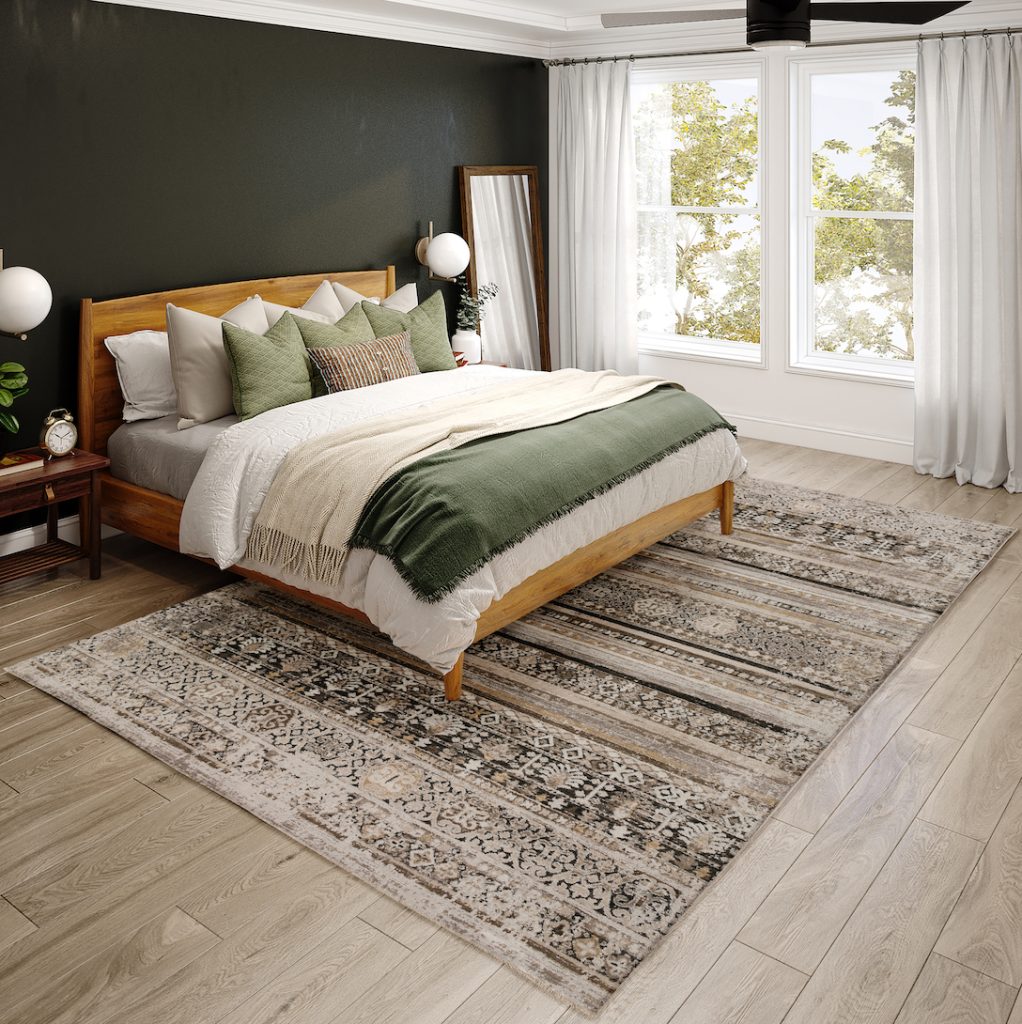
Rugs are often called the “fifth wall” of a room because of the impact they have on a space. They set the tone, ground the furniture, and bring warmth underfoot. But what if one rug isn’t enough? Enter rug layering—a design-forward technique that’s taking interiors to the next level.
By stacking rugs strategically, you can introduce depth, dimension, and a touch of personality that a single rug can’t quite achieve. Better yet, layering rugs offers flexibility for refreshing your decor without a complete overhaul.
If you’re design-conscious and ready to experiment, here’s everything you need to know about layering rugs and how to make it work beautifully in your home.
Why Layer Rugs?
Layering rugs is about more than looks—it’s a practical and stylish design move:
- Adds Visual Interest: A layered look creates texture, contrast, and depth. It draws the eye, making your room feel thoughtfully curated.
- Defines Spaces: Particularly in open layouts, layered rugs help define functional zones—like separating a reading nook from the living area.
- Adds Comfort: Doubling up rugs means doubling up on softness, especially if you’re layering plush rugs or adding warmth to hardwood or tile flooring.
- Budget-Friendly Updates: Instead of replacing a large rug, layering smaller, trend-forward rugs on top of a neutral base gives your room an instant refresh.
The Foundation: Choosing the Right Base Rug
The bottom layer acts as the foundation for your design, so choose wisely.
- Neutral is Key: A simple, solid-colored rug, natural fiber rug (like jute or sisal), or low-pile rug works best as a base. This keeps the focus on the layered rug on top.
- Size Matters: The base rug should be large enough to ground the furniture arrangement. Think of it as your “canvas” for styling. For living rooms, it’s often best if the base rug extends at least a few inches beyond the furniture legs.
- Texture First: Natural fiber rugs are popular base choices because of their durability, affordability, and organic texture that contrasts beautifully with patterned rugs layered on top.
The Top Layer: Adding Personality
Once you’ve chosen a base rug, it’s time to add the star of the show—the top layer. This is where you can inject color, pattern, and personality.
- Patterns & Prints: Think Persian rugs, kilims, or bold geometric designs. These layered accents bring visual drama and cultural flair.
- Play with Shape: Don’t feel limited to rectangles. Round or oval rugs layered over rectangular bases can create striking visual flow.
- Texture Contrast: A soft sheepskin or shag layered over a flat-weave rug introduces irresistible coziness.
- Size Considerations: The top rug should be noticeably smaller than the base rug, leaving the edges of the foundation rug exposed for contrast.
Design Strategies for Rug Layering
Here are some tried-and-true layering approaches for design-conscious homeowners:
1. Neutral Base + Patterned Accent
The most versatile method: start with a neutral base rug and add a patterned or colorful rug on top. It balances energy with sophistication and allows the top rug to shine.
2. Tone-on-Tone Layering
Use rugs in the same color family but with subtle differences in shade or texture. For example, a beige jute base with a soft ivory wool rug layered on top. This creates depth without overwhelming the space.
3. Mixing Textures
Combine smooth and nubby textures for a tactile experience. A woven sisal rug paired with a faux fur accent rug adds richness and variety.
4. Asymmetrical Layering
Place the top rug at an angle over the base rug, rather than perfectly aligned. This works especially well for casual, boho-inspired spaces and makes the arrangement feel more dynamic.
5. Statement Overstatement
If you’re bold, layer two patterned rugs. The key is contrast—pair large-scale prints with smaller, more intricate patterns, or keep them in the same color palette for cohesion.
Layering Rugs in Different Rooms
Living Room
The living room is the perfect space to experiment with layering. A large jute base can anchor your sofa and chairs, while a smaller patterned rug defines the central seating area.
Bedroom
Add softness underfoot by layering a shaggy or sheepskin rug over a larger area rug beneath your bed. Placing the smaller rug off-center creates an inviting, lived-in feel.
Dining Room
Layering under the dining table is trickier but still doable. Opt for a low-pile base rug that accommodates the table and chairs, with a smaller patterned rug directly under the table for a striking centerpiece effect.
Entryway
Because entryways are often narrow, layering can add depth and charm. A durable sisal base rug topped with a vintage runner creates a welcoming first impression.
Tips for Successful Rug Layering
- Stick to Two Rugs (Usually): While more than two can work in eclectic designs, layering two rugs is easiest to pull off without looking cluttered.
- Play with Proportions: Leave enough of the base rug visible so the layered effect feels intentional, not accidental.
- Unify with Color: Pull colors from your accent rug into other elements in the room—pillows, throws, or wall art—for a cohesive look.
- Mind the Pile: Keep safety in mind—layer rugs of different pile heights carefully to avoid tripping hazards, especially in high-traffic areas.
Why It Works for Design-Conscious Homes
Layering rugs is about embracing design as a form of personal expression. For those who value aesthetics, it provides a way to highlight artistry, blend trends with timeless elements, and craft a space that feels both curated and lived-in. It’s also flexible—swap out your top rug seasonally to keep your interiors feeling fresh and inspired.
Rug layering is a creative, cost-effective way to add depth, texture, and visual appeal to any space. Whether you’re looking for a cozy update in your bedroom, a bold statement in your living room, or a welcoming entryway design, layered rugs offer endless possibilities.
Think of it as storytelling underfoot—each rug adds a new chapter, building on the foundation to create a home that reflects your unique style. So don’t settle for just one rug. Layer up, experiment, and watch your floors transform into works of art.