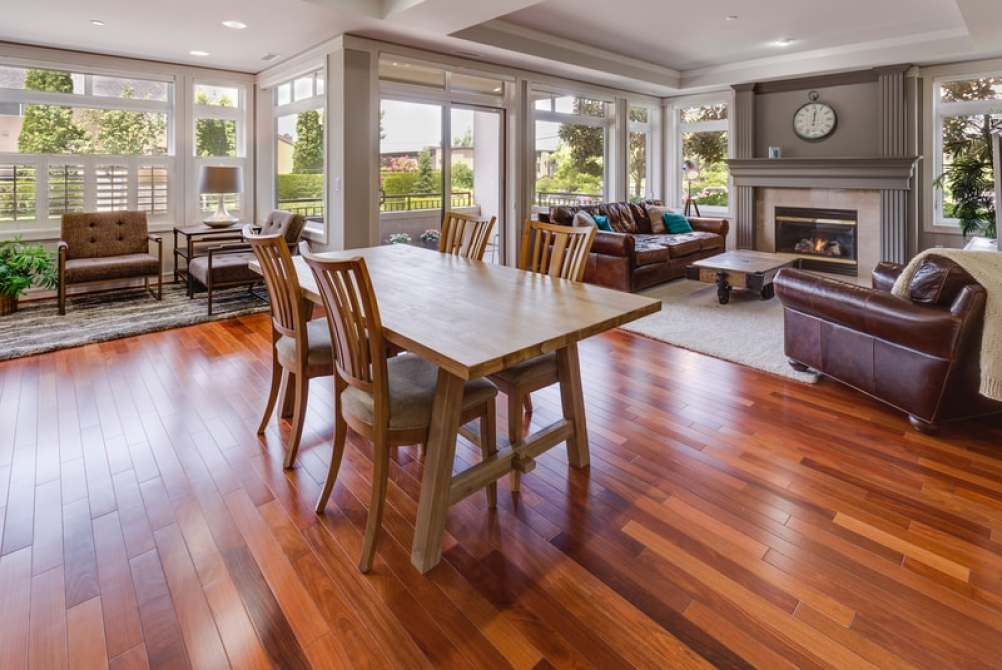
When most people think of hardwood flooring, they picture the classic straight-lay installation—rows of planks running parallel to one another. It’s timeless, elegant, and works in nearly every setting. But for homeowners looking to make a bold statement, hardwood can be so much more than the standard plank. By exploring unconventional patterns and layouts, you can transform your floors into a focal point of artistry and craftsmanship.
If you’re ready to elevate your space beyond the basics, here are some hardwood patterns and layouts that deliver unexpected sophistication, depth, and personality.
Why Patterns Matter: The Power of Visual Movement
Flooring covers one of the largest surfaces in your home, and its layout dramatically impacts how a space feels. The right pattern can:
- Add dimension and texture to rooms with otherwise minimal décor.
- Guide the eye and highlight architectural features.
- Enhance flow in open floor plans.
- Reflect personality, from bold creativity to understated elegance.
While pattern choices were once reserved for grand estates and historic homes, modern technology and craftsmanship have made them accessible for any homeowner ready to embrace a standout design.
Popular Unconventional Hardwood Patterns
1. Herringbone
Perhaps the most iconic of unconventional patterns, herringbone is a zigzag arrangement where each plank meets at a right angle. Its European roots give it an instant sense of refinement.
- Why it works: Adds a dynamic, energetic movement to the floor. Works beautifully in both traditional and contemporary interiors.
- Design tip: Pair herringbone with lighter, neutral finishes for a modern, airy look, or opt for rich, dark stains for a classic and dramatic feel.
2. Chevron
Often confused with herringbone, chevron differs in that planks are cut at an angle and meet to form a continuous “V” shape. This creates a sleek, uniform pattern.
- Why it works: Creates a sense of flow and direction. The symmetry is pleasing and can make a space feel more expansive.
- Design tip: Chevron works particularly well in narrow spaces like hallways, where its arrow-like effect leads the eye forward.
3. Basketweave
Inspired by woven textiles, basketweave flooring alternates groups of planks laid horizontally and vertically.
- Why it works: Adds a subtle pattern that’s more structured than herringbone but less bold than chevron.
- Design tip: Best showcased in square or rectangular rooms, where the geometric balance can shine. Works beautifully with both light and dark contrasting wood tones.
4. Versailles Panels
This ornate pattern originated in 17th-century French palaces and is still synonymous with grandeur today. Panels are designed in intricate squares that interlace wood pieces in a seemingly woven arrangement.
- Why it works: It’s a showstopper. Instantly conveys luxury and sophistication.
- Design tip: Best for formal spaces like dining rooms, libraries, or entryways. Pair with elegant furniture and classic finishes for a cohesive look.
5. Diagonal or Angled Lay
A simpler step beyond the straight lay, this approach installs planks at a 45-degree angle to the walls.
- Why it works: Adds subtle visual interest without overwhelming the space. It can also make small rooms appear larger.
- Design tip: Ideal for open-concept layouts, as the angled lines encourage a feeling of movement.
6. Mixed-Width Planks
Instead of sticking to one width, mixed-width planks combine narrow, medium, and wide boards in a seemingly random arrangement.
- Why it works: Adds texture and variation without committing to a formal pattern. The look is both rustic and modern, depending on finish choices.
- Design tip: Works well in casual, comfortable spaces like living rooms and family areas. Pair with matte finishes for a natural, organic feel.
Material and Finish Considerations
The impact of an unconventional hardwood pattern is amplified by the species, color, and finish you choose. Here are a few ways to tailor the look:
- Species: Oak and walnut remain top choices for patterned floors thanks to their durability and grain variation. Exotic species like Brazilian cherry or acacia add even more drama.
- Color: Lighter tones highlight patterns without overwhelming the room, while dark stains emphasize contrast and elegance.
- Finish: Matte and low-sheen finishes make intricate layouts feel modern, while glossy finishes evoke a more formal, traditional vibe.
Where to Use These Patterns
Not every room needs a bold flooring layout. Strategic placement ensures your design makes the right impact:
- Entryways and foyers: A patterned floor creates an unforgettable first impression.
- Dining rooms: Elevate a space meant for hosting with a layout that sparks conversation.
- Hallways: Use direction-based patterns like chevron to guide the eye.
- Living rooms: Larger layouts like Versailles or basketweave become the heart of the design.
Practical Considerations
While unconventional patterns can elevate your home’s design, they require planning:
- Installation expertise: Complex patterns demand professional installation. Precision cutting and layout are critical for a polished finish.
- Material needs: Expect more material waste compared to a straight lay. Order extra to account for cuts.
- Budget: Intricate patterns may cost more in both labor and materials, but they deliver a high-impact, long-lasting return on investment.
Hardwood flooring has always been a symbol of timeless beauty, but stepping beyond the basics unlocks its full potential. Whether you gravitate toward the refined symmetry of chevron, the energetic movement of herringbone, or the artistry of Versailles panels, unconventional patterns offer a way to merge function with design innovation.
Flooring should be more than a surface you walk on—it should be a statement. By embracing unique patterns and layouts, you can craft a space that feels personal, stylish, and unforgettable.