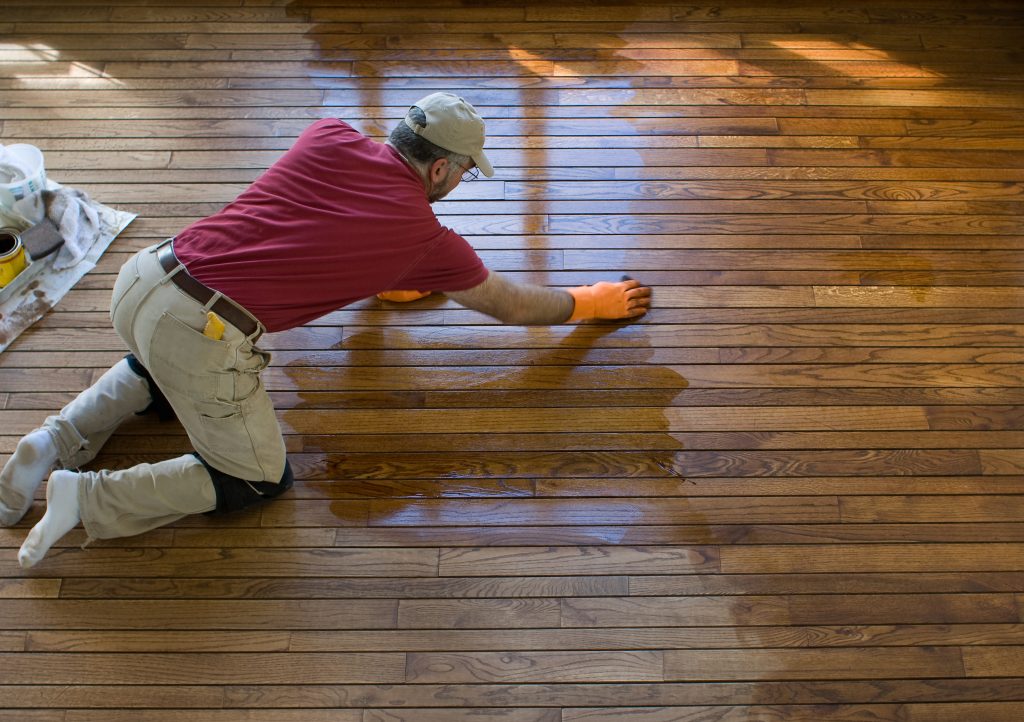
For some homeowners, owning a historical home is like holding a piece of the past—a tangible connection to the craftsmanship and character of another era. One of the most treasured features of historic homes is original hardwood flooring, often made from old-growth timber that’s denser and more durable than modern wood.
If you’re lucky enough to have original hardwood floors in your home, restoring and preserving them is key to maintaining their beauty, charm, and historical integrity. In this guide, we’ll explore the best techniques for reviving aged wood floors, addressing common issues, and ensuring that these timeless surfaces last for generations to come.
The Beauty of Original Hardwood in Historical Homes
Unlike today’s factory-produced flooring, historic hardwood floors tell a story. They were often hand-milled, featuring unique grain patterns, saw marks, and character-rich imperfections that modern flooring can only replicate. Many of these floors were crafted from hard-to-find woods like heart pine, American chestnut, and quarter-sawn oak, adding to their value.
However, after decades—or even centuries—of wear and tear, these floors can develop scratches, gaps, warping, and discoloration. The challenge is to restore them while preserving their authenticity.
Assessing the Condition of Your Hardwood Floors
Before diving into restoration, it’s crucial to evaluate the current state of your flooring. Here’s what to look for:
Surface Damage: Scratches, dents, and worn finishes are common in high-traffic areas.
Gaps & Separation: Wood naturally expands and contracts, leading to visible spaces between planks.
Water Damage & Stains: Dark spots or warping can indicate past moisture exposure.
Signs of Pests: Old homes may have had issues with termites or wood-boring insects.
Structural Integrity: Loose boards, excessive creaking, or sagging may signal a need for deeper repairs.
If your floors have significant damage, consulting a professional floor restoration specialist may be the best option. However, many cosmetic issues can be fixed with DIY-friendly techniques.
Restoring Original Hardwood Flooring
Once you’ve assessed the condition of your floors, you can begin the restoration process.
1. Cleaning & Gentle Maintenance
Before making any major changes, start with a thorough but gentle cleaning:
✔ Sweep & Vacuum: Remove dirt, dust, and debris to prevent scratches.
✔ Use a pH-Neutral Wood Cleaner: Avoid harsh chemicals that can strip old finishes.
✔ Spot-Treat Stains: A mix of baking soda and water can help lighten water spots.
Avoid excessive moisture, as historic floors are more susceptible to water damage.
2. Repairing & Replacing Damaged Boards
If some planks are too worn, cracked, or missing, consider replacing them with reclaimed wood that matches the era of your home. Many specialty suppliers offer salvaged hardwood from old buildings, helping to maintain authenticity.
For small imperfections, use:
Wood Filler – Ideal for minor cracks and nail holes.
Wood Putty – Works well for gaps and deeper scratches.
Epoxy Fillers – A durable option for stabilizing fragile wood.
3. Sanding vs. Buffing: Which Is Right for Your Floors?
Sanding can completely restore a floor, but it also removes a layer of the wood. In historical homes, the goal is often preservation over perfection, so consider these options:
Buffing & Recoating – If the finish is worn but the wood is intact, buffing removes minor imperfections while preserving character.
Light Sanding – A fine sanding (rather than deep grinding) can refresh the surface while maintaining historical patina.
Full Sanding – Only recommended if floors are severely damaged or have deep stains.
Pro Tip: Hand-sanding or using an orbital sander (rather than a drum sander) helps retain more of the wood’s original surface.
4. Choosing the Right Finish for Historical Floors
The type of finish you choose will impact both the look and longevity of your restored floors.
✔ Penetrating Oils (e.g., Tung Oil, Linseed Oil) – Deeply nourish the wood while allowing it to breathe naturally.
✔ Hardwax Oil – Provides a soft, low-sheen finish that enhances the wood’s natural beauty.
✔ Shellac – A historically accurate finish that creates a warm, amber glow.
✔ Water-Based Polyurethane – A modern option with lower VOCs, offering durability with minimal color change.
✔ Oil-Based Polyurethane – A traditional choice that adds a rich depth but can yellow over time.
For an authentic, aged look, avoid high-gloss finishes and opt for matte or satin sheens that complement the home’s historical charm.
Preserving Hardwood Floors for the Future
Restoration is only the first step—proper maintenance will keep your floors looking stunning for years to come.
Use Area Rugs & Runners – Protect high-traffic zones while adding design flair.
Avoid Harsh Cleaners – Stick to mild, wood-safe solutions.
Trim Pet Nails & Use Felt Pads on Furniture – Prevent scratches.
Control Humidity Levels – Use a humidifier in winter and a dehumidifier in summer to prevent warping.
Modern Design Meets Historic Charm
Preserving original hardwood floors doesn’t mean you have to forgo modern style. By blending historical character with contemporary design, you can create a sophisticated, timeless space.
Design Tips for Showcasing Restored Hardwood Floors
Contrast with Contemporary Furniture – Modern minimalist pieces can make vintage floors stand out.
Layer with Textured Rugs – Complement the wood while softening acoustics.
Highlight Architectural Details – Pair restored floors with vintage moldings or exposed beams for a cohesive look.
Mix and Match Wood Tones – Embrace natural variations rather than forcing uniformity.
Restoring and preserving original hardwood floors is an investment in both beauty and history. By taking a careful, preservation-focused approach, you can honor the craftsmanship of the past while creating a home that feels timeless and elegant.
Whether you’re refinishing century-old oak or reviving a hidden gem beneath old carpet, these floors tell a story worth preserving. With the right restoration techniques and ongoing care, your hardwood floors will continue to be a defining feature of your home for generations to come.