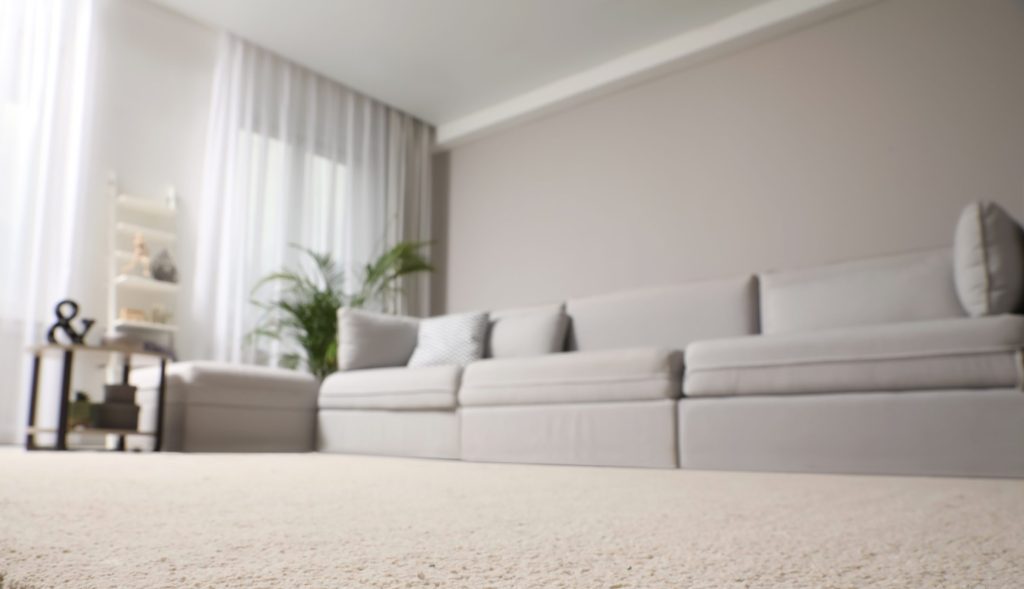
When designing a home, aesthetics, and comfort often take center stage, but acoustics play a crucial role in shaping the overall atmosphere. The way sound travels and behaves in a space can affect everything from speech clarity and music quality to overall comfort and tranquility.
For design-conscious homeowners, carpets offer more than just visual appeal—they can transform the sound dynamics of a room, reducing noise levels and enhancing acoustics in ways that other flooring materials cannot. In this blog, we’ll explore how carpets influence sound absorption, noise reduction, and acoustic balance, helping you create a more peaceful and well-designed home.
The Science Behind Sound and Carpets
Sound in a home behaves in three key ways:
1. Absorption – Materials soak up sound waves, preventing echo and excess noise.
2. Reflection – Hard surfaces bounce sound waves, creating echoes and amplifying noise.
3. Transmission – Sound travels between rooms through floors, walls, and ceilings.
Hard flooring materials like tile, hardwood, and laminate reflect sound, making spaces feel louder and more echoey. Carpets, on the other hand, act as natural sound absorbers, softening noise and improving acoustics throughout the home.
How Carpets Impact Home Acoustics
✔ Absorb Sound Waves – Carpets and rugs absorb airborne noise, making conversations clearer and reducing unwanted echoes.
✔ Reduce Impact Noise – Footsteps, dropped objects, and furniture movement create vibrations. Carpets cushion these sounds, preventing them from spreading.
✔ Improve Multi-Level Living – In multi-story homes, carpeting minimizes sound transmission between floors, keeping noise levels manageable.
Whether you’re designing a cozy living room, a home theater, or a bustling open-plan space, carpets can significantly enhance the acoustic experience of your home.
Best Carpet Materials for Sound Absorption
Not all carpets are created equal when it comes to soundproofing. The following materials are known for their superior acoustic properties:
1. Wool: The Natural Sound Absorber
Wool is one of the best choices for reducing echoes and absorbing sound due to its dense, soft fibers. It naturally dampens noise and provides a luxurious, comfortable feel underfoot.
Best for: Living rooms, bedrooms, and entertainment areas where comfort and sound control are priorities.
2. Nylon: Durable & Sound-Dampening
Nylon carpets are popular for their durability and noise-reducing qualities. Their synthetic fibers help absorb airborne noise while offering excellent resistance to wear and tear.
Best for: High-traffic areas like hallways, stairs, and family rooms.
3. Polyester: Soft & Sound-Friendly
Polyester carpets provide soft, plush surfaces that trap sound waves, making them great for reducing noise in larger spaces. They also offer vibrant color options, appealing to design-conscious homeowners.
Best for: Bedrooms, lounges, and home offices where quiet and comfort matter.
4. Carpet Tiles: Customizable Acoustic Solutions
Carpet tiles offer a modern, flexible solution for customizing acoustics in different areas of your home. They can be layered or arranged strategically to absorb sound without committing to full-room carpeting.
Best for: Open-plan living areas, offices, and commercial spaces where noise control is essential.
Choosing the Right Carpet Pile for Acoustics
Carpet pile (the height and density of fibers) also plays a key role in sound absorption.
High-Pile & Plush Carpets – Best for maximum noise reduction, as they absorb more sound.
Cut-Pile Carpets – Provide a balance of softness and sound control, ideal for homes with mixed-use spaces.
Low-Pile & Berber Carpets – Offer durability with moderate sound absorption, making them great for high-traffic areas.
Pro Tip: Pairing carpet with a high-quality underlay or carpet padding significantly enhances its soundproofing abilities.
Strategic Carpet Placement for Acoustic Benefits
The placement of carpets and rugs throughout your home can greatly influence overall acoustics. Here’s how to optimize different spaces:
1. Living Rooms & Open Spaces
- Large, open-plan spaces can amplify sound, leading to echoes and noise buildup.
- A wall-to-wall carpet or a large area rug helps absorb sound and create a cozier, more intimate feel.
- Layering rugs over hard flooring enhances noise control while maintaining style.
2. Bedrooms & Nurseries
- Bedrooms should be serene retreats, free from excessive noise.
- Opt for thick, high-pile carpeting to minimize footsteps and outside noise.
- Soft rugs near beds add an extra layer of soundproofing and comfort.
3. Staircases & Hallways
- Hard surface stairs and hallways can create loud foot traffic noise.
- Carpeted stairs reduce noise transmission and enhance safety.
- Runners provide a stylish, sound-dampening solution without fully covering the floor.
4. Home Theaters & Entertainment Areas
- For optimal movie and music experiences, plush carpets are a must.
- Carpeted floors combined with acoustic wall panels ensure a balanced, immersive sound environment.
- Darker-toned carpets can also enhance the theater aesthetic while improving sound absorption.
Additional Acoustic Solutions Beyond Carpets
To maximize sound control, carpets can be paired with other design elements:
Upholstered Furniture & Curtains – Fabric-heavy decor absorbs excess noise.
Bookshelves & Wall Panels – Help break up sound waves and minimize echo.
Houseplants – Large leafy plants act as natural sound diffusers.
These small yet impactful design choices, combined with carpets, create a harmonious, acoustically balanced home.
Beyond their aesthetic appeal, carpets play a critical role in shaping the way sound moves through your home. Whether you’re looking to reduce noise in high-traffic areas, improve home theater acoustics, or create a tranquil bedroom retreat, the right carpet can make all the difference.
By choosing the right materials, pile, and placement, you can effortlessly balance style and function—ensuring that every room looks as beautiful as it sounds.