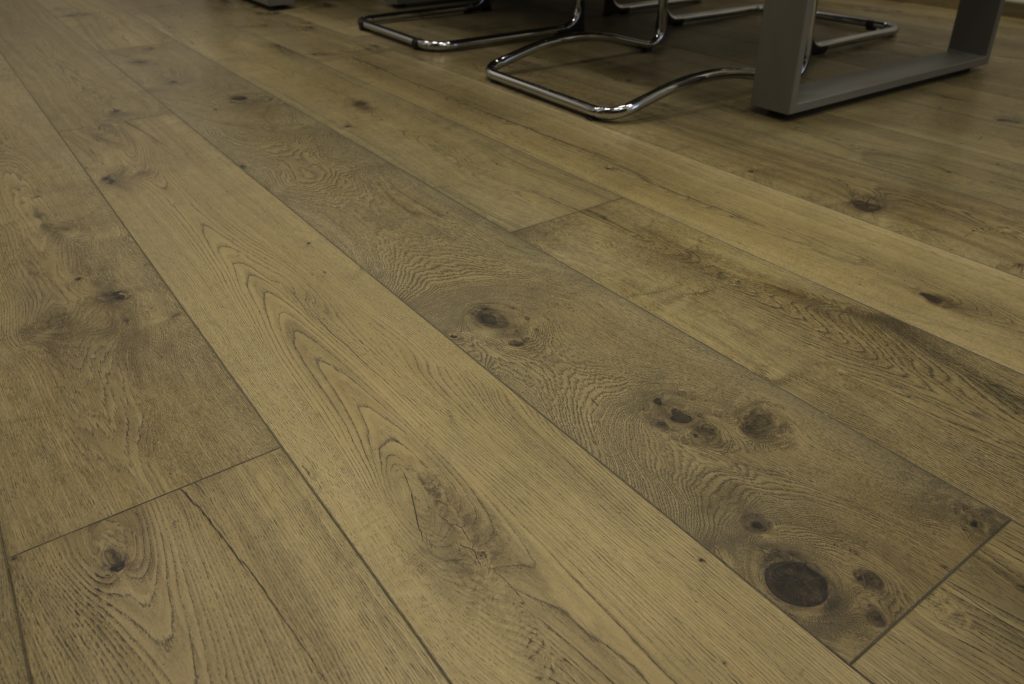
Hardwood flooring has a way of making a home feel instantly considered. Its natural variation, warmth, and timeless appeal have made it a favorite for generations, but that doesn’t mean hardwood design stays the same. Each year brings new preferences in color, finish, plank size, and installation style, giving homeowners more ways to create a floor that feels both classic and current.
This year, designers are gravitating toward hardwood floors that feel natural, sophisticated, and easy to live with. Rather than choosing flooring simply because it is trending, today’s most appealing looks tend to emphasize authenticity and longevity. The result is a collection of hardwood styles that can make a statement without overwhelming the rest of the home.
One of the biggest shifts is toward warmer, more natural wood tones. While cool gray flooring has had a strong presence in interiors in recent years, homeowners are increasingly embracing the character and warmth of natural oak, honey tones, soft browns, and other finishes that highlight the inherent beauty of the wood. These shades can make rooms feel inviting and layered, especially as homeowners look for interiors that feel comfortable rather than overly coordinated.
Natural-looking finishes are also gaining attention. Designers are moving away from finishes that make hardwood appear overly polished or uniform and toward options that allow the grain, knots, and subtle variations of the wood to remain visible. A more understated finish can give flooring an organic quality while helping it work with a wide range of furniture and decor styles.
This emphasis on authenticity pairs well with another trend: wider hardwood planks. Wide-plank flooring can create a sense of openness by reducing the number of seams across the floor, making it especially appealing in larger rooms and open-concept homes. The broader boards also give the natural grain and character of the wood more room to stand out.
Wide planks aren’t limited to contemporary interiors, either. Depending on the species, color, and finish, they can complement everything from a modern farmhouse kitchen to a traditional living room or a clean, minimalist space. Their versatility is part of what makes them such an enduring design choice.
Another trend designers are embracing is the use of distinctive installation patterns. Traditional straight-laid hardwood remains a timeless option, but homeowners looking for something more architectural may be drawn to patterns such as herringbone or chevron. These layouts bring additional movement and visual interest to a room while still using a classic material.
Patterned hardwood can be particularly effective when the rest of the room is relatively restrained. Instead of competing with bold wallpaper, colorful furniture, or elaborate accessories, the flooring itself becomes a subtle design feature. For homeowners who want their floors to have personality without relying on an unconventional color, installation pattern can be a sophisticated way to achieve that.
There is also growing interest in flooring that feels connected from room to room. Open-concept layouts and more fluid transitions between living spaces have made cohesive flooring especially desirable. Using the same or complementary hardwood throughout connected areas can create visual continuity and make a home feel larger and more intentionally designed.
That doesn’t mean every room needs to look exactly the same. Hardwood can be paired with area rugs, tile, or other flooring materials where practical. The key is creating transitions that feel deliberate rather than accidental. A consistent wood tone or complementary palette can help different areas of the home feel like part of the same overall design.
Texture is another important part of the current hardwood conversation. Wire-brushed and other textured finishes can add subtle dimension to a floor while emphasizing the natural character of the wood. These finishes can also lend themselves to casual, lived-in interiors where homeowners want their flooring to feel beautiful without looking too precious.
For many homeowners, that balance is becoming increasingly important. A floor should look beautiful on the day it is installed, but it also needs to make sense for everyday life. Families, pets, entertaining, and busy schedules can all influence which hardwood species and finishes make the most sense. A thoughtfully chosen floor should complement those realities rather than require the entire household to work around it.
Designers are also continuing to favor hardwood as a foundation for layering. Because wood offers such a versatile visual base, it pairs naturally with area rugs, upholstered furniture, natural textiles, and decorative accents. A warm oak floor, for example, can provide a neutral backdrop for everything from rich autumn colors to lighter seasonal decor. This flexibility makes hardwood especially appealing to homeowners who enjoy refreshing their interiors without replacing major elements every few years.
Ultimately, the hardwood trends getting the most attention this year have something in common: they don’t feel disposable. Natural tones, authentic textures, wider planks, distinctive patterns, and cohesive layouts all offer ways to create a floor that feels fresh today while still having the staying power to look beautiful years from now.
If you’re considering new hardwood flooring, trends can be a great source of inspiration, but the best choice starts with your home, your lifestyle, and the look you want to create. From the warmth of natural oak to the sophistication of a herringbone installation, there are plenty of ways to bring a current designer-inspired look into your space while keeping it uniquely yours.
Ready to find a hardwood style that fits your home? Visit Jabro to explore your options and discover flooring that brings together the beauty you want with the performance you need for everyday living.