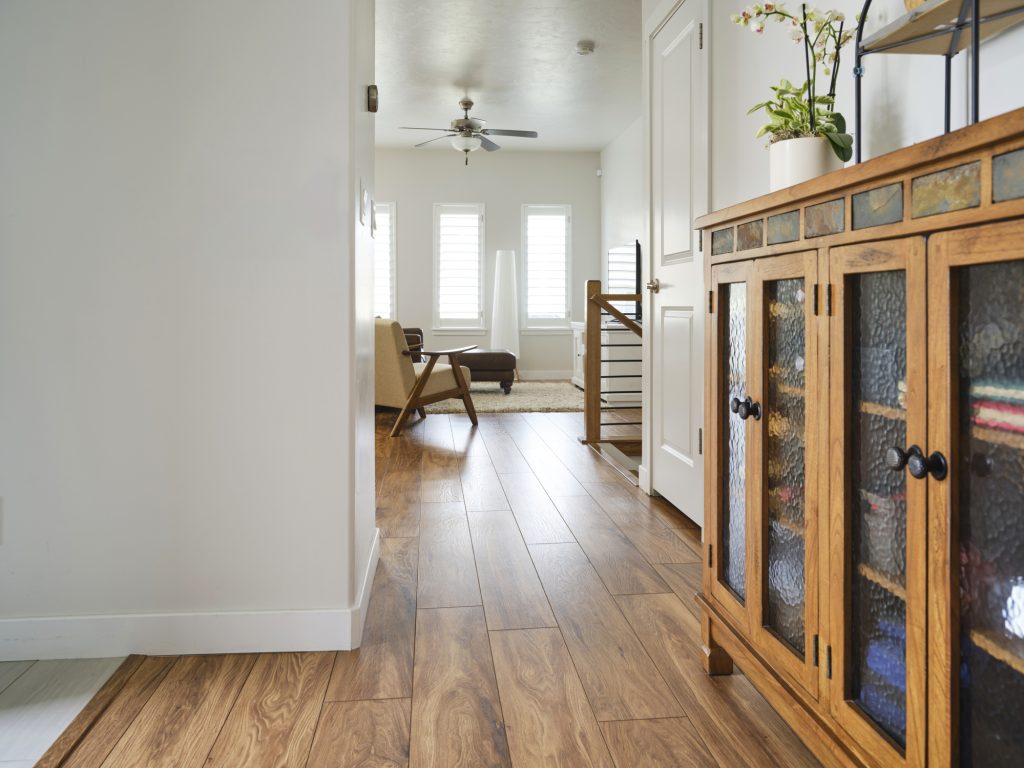
Winter is a season of beauty and charm, but it can also be tough on your hardwood floors. Cold temperatures, snow, ice, and excess moisture can take a toll on your floors if they aren’t properly cared for. For many homeowners, maintaining the beauty and longevity of hardwood is essential. With the right care, your floors can remain warm, inviting, and flawless all winter long.
In this guide, we’ll share expert tips to protect your hardwood floors during the colder months while keeping your home stylish and cozy.
1. Control Indoor Humidity
One of the biggest challenges for hardwood in winter is dry indoor air. Central heating systems lower humidity, causing wood to shrink and potentially crack or gap.
Tips to Maintain Proper Humidity
- Keep indoor humidity levels between 35–55%.
- Use humidifiers in rooms with particularly dry air.
- Monitor humidity with a hygrometer to prevent extreme fluctuations.
By controlling humidity, you’ll minimize shrinkage and maintain the natural beauty of your hardwood.
2. Protect Floors from Snow and Ice
Snow, slush, and ice can quickly damage hardwood floors through moisture and salt residue.
Preventive Measures
- Place floor mats at entrances: Choose mats both outside and inside to catch moisture.
- Encourage shoe removal: Designate a stylish bench or shoe rack near entryways to make taking off shoes convenient.
- Use absorbent rugs: A soft, water-resistant area rug in high-traffic entryways helps trap dirt and water.
Regularly cleaning these mats and rugs ensures that salt and debris don’t scratch or stain your floors.
3. Keep Floors Clean
Winter often brings mud, slush, and debris inside. Dirt and grit can act like sandpaper on hardwood, leaving scratches and dulling finishes.
Cleaning Tips
- Sweep or vacuum daily in high-traffic areas.
- Use a soft-bristle broom or a vacuum with a hardwood floor attachment to avoid scratches.
- Clean spills and tracked-in salt immediately with a damp (not wet) microfiber mop.
- Avoid steam mops or excessive water, which can damage hardwood.
Maintaining a consistent cleaning routine keeps floors looking polished and new.
4. Mind Your Footwear
Shoes, boots, and high heels can leave marks or dents in your floors, especially during winter when people track in water and grit.
Tips to Protect Floors
- Encourage family and guests to wear indoor slippers during winter.
- Avoid walking on hardwood with shoes that have stiletto heels or cleats.
- Use felt pads under furniture and chairs to prevent scratches when moving them indoors for gatherings.
Small precautions go a long way in preventing visible wear.
5. Use Area Rugs Strategically
Area rugs are not just decorative, they are essential winter protection for hardwood floors.
Placement Ideas
- Entryways and mudrooms: High-traffic areas benefit from durable, moisture-resistant rugs.
- Hallways: Runners prevent repeated foot traffic from wearing down wood.
- Living rooms and bedrooms: Layer rugs to create warmth and a cozy atmosphere while protecting your flooring.
Opt for rugs with non-slip backing to ensure safety, especially on wet or icy days.
6. Avoid Harsh Chemicals and Water Damage
Excessive water, abrasive cleaners, or chemical-heavy solutions can dull or damage hardwood finishes.
Safe Cleaning Practices
- Stick to pH-neutral, hardwood-specific cleaning products.
- Wipe spills immediately to prevent staining or warping.
- Use a damp mop rather than a soaking wet mop.
- Avoid ammonia, bleach, and vinegar solutions as they can etch finishes and leave residue.
By choosing the right products and techniques, your floors remain beautiful without risk of damage.
7. Inspect for Damage Regularly
Winter is the perfect time to check your floors for wear or issues that may worsen with temperature changes.
What to Look For
- Cracks or gaps between boards
- Water stains or discoloration near entrances
- Scratches, dents, or scuff marks
- Loose or squeaky boards
Catching small problems early allows for timely repair, preventing costly refinishing later.
8. Maintain Your Finish
A strong finish acts as a protective barrier against moisture, dirt, and wear. During winter:
- Consider applying a floor polish or refresher recommended by your flooring manufacturer.
- For unfinished or lightly finished floors, winter may be a good time for professional refinishing or recoating.
- Avoid waxing floors coated with polyurethane, as it can create a slippery surface.
Proper maintenance keeps your floors looking sleek while enhancing durability.
9. Manage Temperature Fluctuations
Rapid temperature changes can cause hardwood to expand or contract, leading to gaps or cupping.
Tips to Stabilize Floors
- Avoid setting indoor temperatures too high with heaters.
- Keep your thermostat consistent, ideally between 65–70°F.
- Use area rugs to add insulation and reduce direct exposure to cold air from drafty windows or doors.
This helps maintain your floor’s integrity throughout the winter months.
10. Plan for Preventive Measures Before Snow Arrives
Preparation is key. By taking proactive steps, you can prevent winter damage before it occurs.
- Seal your entryways with weather stripping to reduce drafts and moisture intrusion.
- Designate an indoor welcome area with rugs and seating for removing boots.
- Rotate rugs and furniture before the coldest months to balance wear and minimize damage in high-traffic zones.
Being proactive ensures your hardwood floors remain as stylish and flawless as the day they were installed.
Winter brings unique challenges for hardwood floors, but it also offers an opportunity to enhance the comfort, style, and warmth of your home. With regular maintenance, strategic use of rugs, and attention to moisture and temperature, your floors can withstand the season while maintaining their luxurious look and feel.
For many homeowners, winter maintenance isn’t just about function, it’s about preserving the elegance and character that hardwood flooring brings to your home.