As winter fades and spring approaches, our homes naturally shift with the seasons. Heavy textures give way to lighter fabrics, darker tones soften into brighter palettes, and natural light becomes a starring design feature once again. But one element of your home remains constant and incredibly influential in how your space feels year-round: your flooring.
For many homeowners, transitional flooring isn’t just about durability, it’s about creating a foundation that adapts beautifully from cozy winter comfort to fresh spring style. With the right materials, colors, and styling choices, your floors can seamlessly support both seasons while elevating your home’s overall aesthetic.
Why Flooring Plays a Key Role in Seasonal Transitions
Flooring is the largest design surface in your home, setting the tone for every room. During winter, floors need to withstand moisture, salt, and heavy foot traffic. In spring, they become part of a brighter, airier design story that emphasizes light, openness, and natural textures.
Transitional flooring bridges both needs by offering:
- Durability for harsh winter conditions
- Easy maintenance during muddy spring days
- Visual versatility that works with changing decor
Choosing floors that perform well year-round means fewer seasonal compromises and more consistent design impact.
Luxury Vinyl Tile: A Perfect Seasonal Chameleon
Luxury Vinyl Tile (LVT) is one of the most versatile options for homeowners who want style without seasonal stress.
Winter-Ready Performance
LVT is waterproof and highly resistant to stains and scratches, making it ideal for entryways, kitchens, and mudrooms where winter messes tend to land.
Spring Style Appeal
When the weather warms, LVT’s realistic wood and stone visuals complement lighter décor, fresh greenery, and open layouts beautifully. Neutral tones and natural textures create a seamless transition from cozy to crisp.
Design Tip
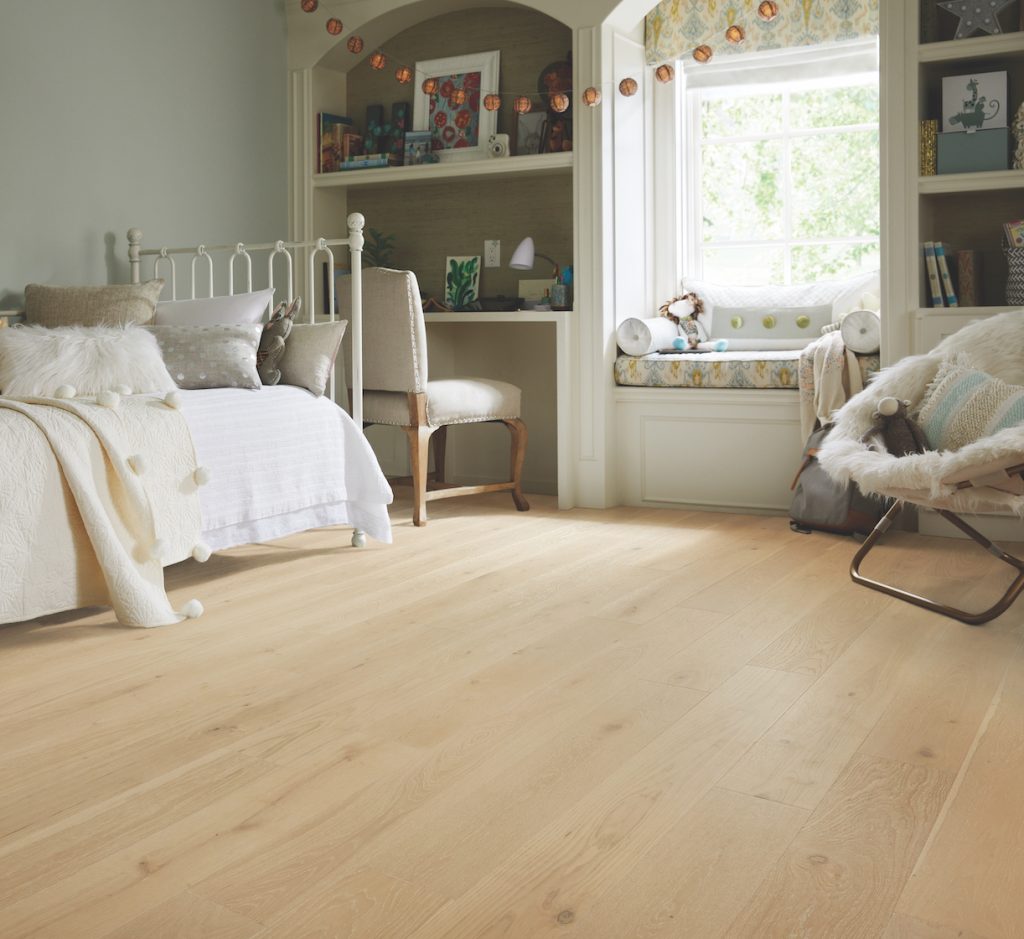
Choose wide-plank wood looks in warm neutral tones, they feel inviting in winter and effortlessly fresh in spring.
Hardwood Floors: Timeless Beauty in Every Season
Hardwood remains a favorite among design-focused homeowners for its warmth, elegance, and long-term value.
Winter Comfort
Wood adds natural warmth to interiors, visually softening cold winter spaces and pairing well with layered rugs and rich textiles.
Spring Renewal
As rugs are rolled back and windows opened, hardwood floors shine, reflecting natural light and creating an open, breezy feel.
Maintenance Matters
Seasonal humidity shifts can affect hardwood, so proper care is key:
- Use felt pads under furniture
- Maintain consistent indoor humidity
- Clean with wood-safe products
With the right care, hardwood remains a stunning year-round anchor for evolving décor.
Tile and Stone Looks for Bright Spring Spaces
Tile-inspired flooring especially in porcelain or LVT formats offers durability with sophisticated design appeal.
Why It Works for Seasonal Transitions
- Stands up to wet boots and melting snow
- Easy to clean during muddy spring days
- Reflects light for a brighter interior feel
Stone-look tiles in soft grays, creams, and warm beiges feel especially refreshing in spring while still grounding winter decor.
Design Tip
Pair tile-look flooring with layered area rugs in winter, then switch to lighter woven rugs in spring to maintain warmth while updating the aesthetic.
Carpet and Area Rugs: Soft Layers That Adapt
Wall-to-wall carpet provides cozy comfort in winter, while area rugs allow flexibility throughout the year.
Winter Comfort Zones
Plush carpets and thick rugs help insulate spaces and add softness when temperatures drop.
Spring Refresh Strategy
Swap heavy, dark rugs for lighter colors and breathable textures like:
- Cotton
- Flatweave wool
- Natural fiber blends
This simple change can instantly refresh your rooms without replacing flooring.
Color Choices That Transition Beautifully
Choosing the right flooring color is essential for seasonal versatility.
Best Transitional Flooring Colors
- Warm neutrals: Soft taupes, honey tones, and beige-based woods
- Light naturals: White oak and light maple visuals
- Soft gray-browns: Balanced tones that work with both cool and warm décor
Avoid extremes like very dark or very cool shades can feel heavy in spring, while overly pale floors may lack winter warmth.
Open-Concept Homes: Keep the Flow Effortless
Many modern homes feature open layouts that require flooring to connect multiple living areas seamlessly.
Transitional flooring should:
- Flow from entryway to kitchen to living room
- Handle different traffic levels
- Maintain consistent design impact
LVT and engineered hardwood are especially effective in open spaces, allowing continuity while offering durability where you need it most.
Entryways and Mudrooms: Seasonal Style Meets Function
These spaces experience the biggest seasonal challenges.
Best Options for Transitional Performance
- Waterproof LVT
- Tile-look flooring
- Durable low-pile carpet tiles
Design-conscious homeowners can still achieve stylish entry spaces with:
- Patterned tile visuals
- Wood-look planks for warmth
- Statement rugs that are easy to swap seasonally
Spring Is Also the Season for Smart Upgrades
Seasonal transitions often inspire home refresh projects. If your current flooring shows signs of wear after winter, spring is an ideal time to consider updates that improve both style and functionality.
New flooring can:
- Brighten interiors instantly
- Improve comfort and performance
- Add long-term value to your home
Upgrading to transitional-friendly materials helps ensure your home feels beautiful no matter the season.
Design That Moves with You Through the Seasons
The best flooring doesn’t just survive seasonal changes, it enhances them. With thoughtful material selection, timeless colors, and flexible styling, your floors can carry your home effortlessly from winter warmth to spring freshness.
For design-conscious homeowners, transitional flooring offers the perfect blend of:
- Beauty
- Performance
- Longevity
It’s an investment that supports both your lifestyle and your aesthetic, season after season.