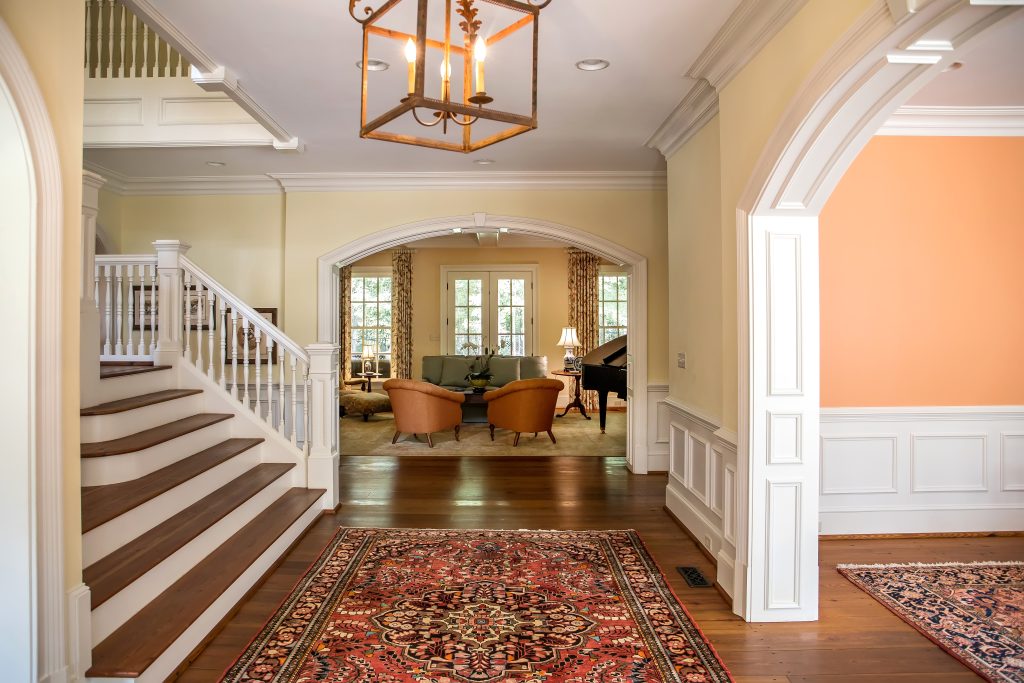
In today’s interiors, design boundaries are dissolving. Modern homeowners are embracing individuality, creativity, and storytelling in their spaces—and few decor elements capture that spirit better than the area rug. Once considered an afterthought, rugs are now the foundation of good design, bringing color, texture, and personality to every room.
But here’s where it gets exciting: it’s no longer about matching everything perfectly. The most stylish homes today layer contrast—pairing vintage and modern rugs to create depth, character, and warmth. This approach bridges past and present, infusing your home with a curated, lived-in feel that’s both timeless and trend-forward.
If you’re drawn to the charm of antique patterns and the clean lines of modern design, you don’t have to choose between them. Here’s how to master the art of mixing vintage and modern area rugs in contemporary homes.
The Beauty of Contrast
Design is often most successful when it balances opposites. Think smooth marble paired with reclaimed wood, or minimalist furniture placed atop a richly patterned Persian rug. The same principle applies when mixing rug styles: the interplay between old and new creates tension, interest, and visual storytelling.
A vintage rug—worn, faded, and rich with history—adds warmth and soul to sleek, modern spaces. Its imperfections feel authentic, grounding the crispness of contemporary design. On the flip side, a bold, graphic modern rug can bring a fresh edge to a traditional room, instantly making it feel relevant and unexpected.
The key: Don’t think of your rugs as competing. Think of them as complementing—each highlighting the other’s strengths.
Start with Your Foundation: Choosing a Dominant Style
When mixing vintage and modern rugs, it helps to decide which aesthetic you want to lead. Do you want the space to feel primarily modern with vintage accents—or more traditional with a few modern touches?
- If your home leans modern: Use sleek furniture, clean architectural lines, and neutral tones as your foundation. Then add a vintage rug with timeworn patterns, intricate borders, or muted colors to bring warmth and character.
- If your home has classic bones: Start with richly detailed pieces or vintage architectural details, then ground the room with a contemporary rug—perhaps a large geometric pattern or tonal abstract—to introduce freshness and balance.
Your dominant style should set the tone, while the secondary one adds intrigue and contrast.
Layering Rugs for Depth and Dimension
Layering is one of the most design-savvy ways to mix vintage and modern rugs. This technique works especially well in open floor plans, studios, or large living areas where defining spaces is important.
Here are a few ways to layer effectively:
- Neutral Base + Statement Topper
Start with a neutral modern rug (such as a textured jute or sisal) as your base. Then layer a smaller vintage rug with a distinctive pattern on top. This not only draws attention to the vintage piece but also adds depth and tactile interest. - Pattern on Pattern
Don’t be afraid to mix patterns! A minimalist geometric modern rug beneath a soft, floral antique rug can feel beautifully balanced. Keep your color palette cohesive—choose one or two tones that repeat in both pieces—to prevent the look from feeling chaotic. - Different Textures, Same Story
Combine materials for visual richness. A flatwoven kilim layered with a plush, modern tufted rug adds an element of surprise while staying cohesive through color or motif.
Pro Tip: When layering, size and proportion matter. The base rug should extend at least a few inches beyond the edges of the top rug on all sides to frame it properly.
Color Coordination: Finding the Right Palette
When mixing styles, color is your unifying element. A thoughtful palette ensures your rugs complement rather than compete.
- Go Tonal: Choose rugs that share a common hue or undertone—say, soft blues or warm neutrals—but differ in pattern or era. This creates harmony while keeping things interesting.
- Use Neutrals as Connectors: If your vintage rug is richly colored, anchor it with modern rugs in muted tones like ivory, sand, or charcoal.
- Add Contrast with Intention: Pair a faded, muted antique with a vibrant, contemporary rug to create an energetic focal point. The trick is balance—if one rug is bold, the other should be more subdued.
Color ties your design story together, even when the patterns or materials differ dramatically.
Scale and Placement: Making the Mix Feel Intentional
A well-placed rug can define a zone, anchor furniture, and enhance flow throughout your home. When mixing vintage and modern rugs, scale and placement are crucial to maintaining visual balance.
- Vary Rug Sizes: Use a large, modern rug to unify a living area and a smaller vintage rug in a reading nook or hallway. This keeps each piece feeling distinct but cohesive within the overall design.
- Define Functions: In open-concept homes, pair a vintage rug under the dining table with a modern rug in the adjoining living space. The styles contrast, but their shared color tones create connection.
- Mind the Visual Weight: Heavily patterned rugs feel “denser,” so balance them with lighter, simpler rugs elsewhere in the space.
Intentional placement ensures your design feels collected—not cluttered.
Embracing the “Collected Over Time” Look
Perhaps the most compelling reason to mix vintage and modern rugs is the story it tells. Perfectly matched decor can feel flat or overly curated, while a combination of eras and textures gives your home personality.
Vintage rugs carry the charm of craftsmanship and history—each thread tells a story. Modern rugs bring a sense of the now, showcasing innovation and evolving design trends. Together, they reflect a layered, authentic lifestyle—one that values both heritage and modernity.
This “collected over time” aesthetic feels personal and natural, as though your home evolved piece by piece rather than being designed in a single day.
Maintenance Matters: Caring for a Mixed Collection
While modern rugs often feature durable synthetic fibers and stain-resistant coatings, vintage rugs require a little more TLC. To keep your mixed-style rug collection looking its best:
- Rotate rugs regularly to even out wear and sun exposure.
- Use rug pads to prevent slipping and add cushioning.
- Spot-clean immediately and schedule periodic professional cleanings for antique pieces.
- Avoid harsh chemicals—especially on natural wool or vegetable-dyed rugs.
With a little care, both your new and old rugs can age beautifully together.
Bringing It All Together
Mixing vintage and modern rugs is an exercise in creativity and confidence. It’s about seeing beauty in contrasts—where an heirloom Persian meets a sleek abstract print, or a handwoven kilim sits beside a minimalist sectional. When done well, the result feels effortless, curated, and deeply personal.
The modern home is no longer bound by rigid design rules. It’s a reflection of how we live today—eclectic, global, and full of stories. By combining rugs from different eras and aesthetics, you can create a layered look that feels both timeless and fresh.
Whether you’re refreshing one room or reimagining your entire space, mixing area rug styles offers endless design possibilities. So go ahead—embrace the blend of old and new underfoot. Your floors will thank you.