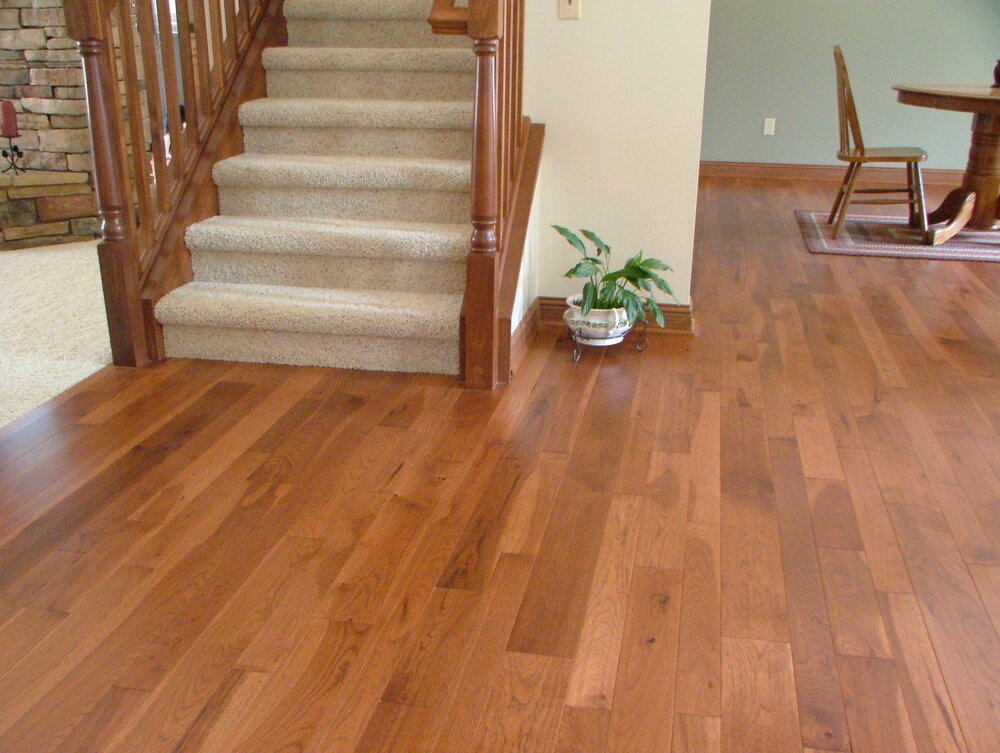
For many homeowners, hardwood flooring is the ultimate statement of style. Its natural beauty, timeless appeal, and ability to elevate nearly any design aesthetic make it one of the most desired flooring choices on the market. But while hardwood brings warmth and sophistication to a space, it’s not always celebrated for one thing: sound control.
Whether it’s footsteps echoing across the living room, the patter of kids running through the hallway, or even the vibration of music carrying between levels, noise can be an unexpected drawback when choosing hardwood. The good news? With the right approach, you can enjoy the elegance of hardwood while significantly reducing unwanted noise.
In this post, we’ll explore how hardwood floors impact sound, strategies for minimizing noise, and design-forward solutions that allow you to maintain a quiet, stylish home.
How Hardwood Flooring Affects Sound
Unlike carpet, which absorbs noise naturally, hardwood has a hard, reflective surface. That means sounds tend to bounce, creating echoes or amplifying footsteps. Two primary types of noise are typically associated with hardwood floors:
- Impact Noise: This is the sound created by something physically hitting the floor, such as walking, dropping objects, or moving furniture.
- Airborne Noise: These are sounds transmitted through the air, like music, voices, or television noise, which can travel between rooms and floors more easily in homes with hardwood.
While these acoustic characteristics are inherent to hardwood, they don’t mean you need to sacrifice your dream of a quiet and stylish space. With the right combination of installation techniques, underlayments, and thoughtful design, you can keep sound under control.
The Role of Underlayment
The unsung hero in noise reduction is often what’s beneath your hardwood: the underlayment. This layer, placed between the subfloor and your hardwood planks, acts as a buffer that absorbs and dampens sound.
- Foam Underlayment: A popular choice for floating hardwood floors, foam adds a cushion that reduces impact noise while making the floor feel softer underfoot.
- Cork Underlayment: A natural option prized for its sound absorption, cork also adds an eco-friendly element to your home design. It reduces both impact and airborne noise, making it ideal for multi-level homes or condos.
- Rubber Underlayment: Known for superior sound dampening, rubber is highly effective at reducing vibrations and is a smart choice for homeowners who want maximum performance.
Investing in a high-quality underlayment is one of the most effective ways to reduce noise without compromising the beauty of hardwood.
Choosing the Right Hardwood
Not all hardwood is created equal when it comes to sound performance. Some species and styles naturally handle noise better than others:
- Engineered Hardwood: Constructed with multiple layers of wood, engineered hardwood tends to be more stable and less noisy than solid hardwood. Its layered construction also allows for the addition of soundproofing underlayments.
- Softer Woods: Woods like pine or cherry tend to absorb more sound than harder species like oak or maple. However, softer woods may dent more easily, so it’s important to balance your priorities.
- Wide Planks vs. Narrow Planks: Wider planks mean fewer seams, which can minimize the hollow sounds sometimes associated with hardwood. They also create a sleek, modern aesthetic that design-conscious homeowners love.
Rugs: Functional and Stylish Sound Solutions
One of the simplest and most design-friendly ways to manage sound in a hardwood-floored home is by incorporating area rugs. Rugs act as natural sound absorbers, reducing echoes and muffling footsteps. Even better, they’re an opportunity to add warmth, color, and texture to your space.
- In Living Rooms: A large rug anchors your seating area while cutting down on noise from conversations and TV.
- In Bedrooms: Rugs or runners placed alongside the bed soften footsteps in the morning and create a cozy atmosphere.
- In Hallways: Runners not only reduce the sound of traffic but also protect high-traffic hardwood areas from wear.
Rugs are especially effective in open-concept spaces, where hardwood floors can otherwise amplify sound.
Curtains, Fabrics, and Furniture Placement
Flooring isn’t the only factor in noise control—your overall interior design plays a huge role. Sound reflects off hard surfaces, so balancing hardwood with softer textures can significantly improve acoustics.
- Curtains & Drapes: Heavy fabrics absorb airborne noise and prevent sound from bouncing off windows.
- Upholstered Furniture: Sofas, ottomans, and fabric chairs absorb sound better than sleek, modern pieces made entirely of wood or metal.
- Strategic Furniture Placement: Bookshelves, art, and décor can all help break up sound waves, reducing echo in hardwood-floored rooms.
The right combination of furniture and textiles not only creates a quieter space but also enhances your design aesthetic.
Soundproofing Between Levels
If your concern is noise traveling between floors, there are solutions that go beyond surface-level design. For multi-story homes, preventing sound from carrying is often a top priority.
- Acoustic Insulation: Adding insulation between floors during construction or renovations can dramatically reduce noise transfer.
- Floating Floors: Installing hardwood as a floating floor (not nailed or glued down) allows the underlayment to absorb more sound and vibration.
- Ceiling Treatments: For lower levels, acoustic panels or ceiling treatments can absorb sound coming from above, blending into the design while serving a functional purpose.
These structural approaches are especially valuable for homeowners designing family-friendly or multi-generational homes where noise control is a daily concern.
Balancing Design and Acoustics
The key for most homeowners is striking the perfect balance between beauty and function. Hardwood floors remain one of the most sought-after design elements, offering versatility across styles from modern minimalism to traditional elegance. By layering thoughtful sound solutions into your design, you can achieve a quiet, comfortable home without compromising aesthetics.
Some combinations to consider:
- Wide-Plank Engineered Hardwood + Cork Underlayment + Neutral Rug: A modern, airy look with exceptional sound control.
- Solid Oak + Rubber Underlayment + Textured Curtains: A timeless hardwood style complemented by strong sound dampening.
- Light Maple + Foam Underlayment + Patterned Runner: Bright, minimalist design with noise protection in high-traffic spaces.
Hardwood flooring will always be a design favorite, and with the right strategies, it can also be a sound-friendly option. From investing in the right underlayment to layering rugs and textiles into your decor, there are many ways to create a quiet, stylish environment that suits both your lifestyle and your design vision.