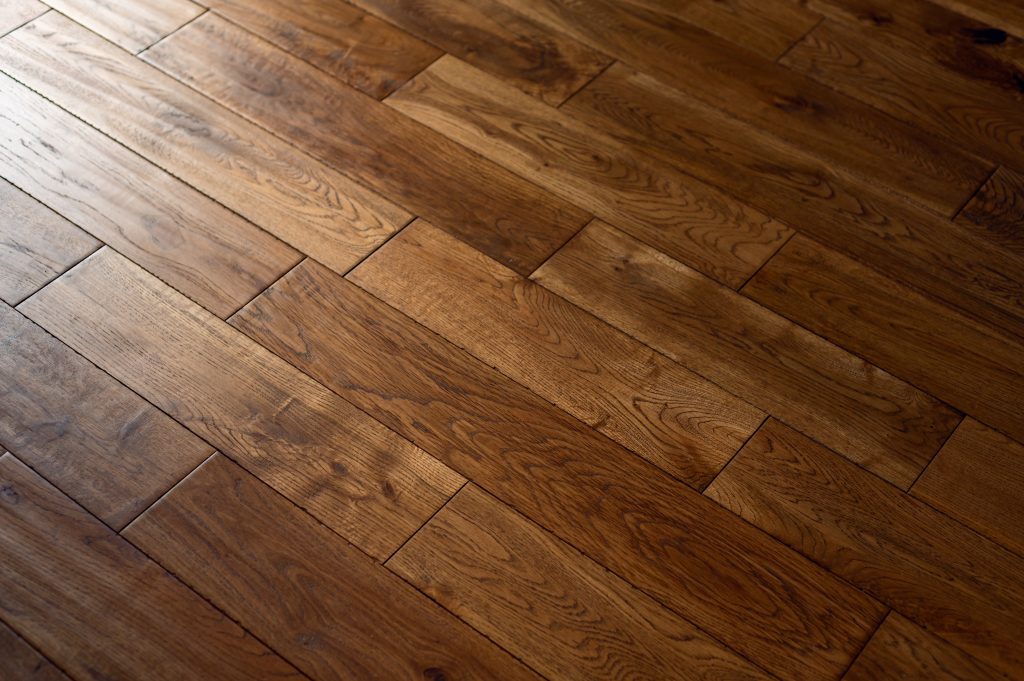
In interior design, one of the most important yet often overlooked principles is visual flow—the way your eyes (and body) move seamlessly through a space. Whether you live in a sprawling open-concept home or a more segmented floor plan, the right flooring can bring cohesion, balance, and continuity to your interiors. And few materials accomplish this better than hardwood flooring.
Hardwood is timeless, elegant, and incredibly versatile. But beyond its beauty, hardwood can be a strategic design element that helps create a sense of unity across multiple rooms. In this blog, we’ll explore how to use hardwood flooring to connect different areas of your home, enhance natural transitions, and achieve a visually harmonious environment.
Why Visual Flow Matters
Visual flow refers to the sense of cohesion and smooth transition from one room or space to another. When thoughtfully designed, visual flow:
- Makes your home feel larger and more open
- Reduces visual clutter and disjointedness
- Highlights architectural details and focal points
- Enhances comfort and functionality
Poor flow, on the other hand, can make even a beautifully decorated home feel fragmented and chaotic. Flooring plays a pivotal role in this balance—serving as a subtle connector between spaces.
Why Hardwood is Ideal for Creating Flow
Hardwood flooring is an ideal medium for creating flow because it offers both consistency and customizability. Unlike tile or carpet, which often visually “break” a space, hardwood can travel effortlessly from room to room.
Here’s why hardwood is such a powerful tool for cohesive design:
- Color continuity: Sticking with the same tone throughout creates a seamless transition.
- Directional layout: Plank orientation can subtly guide the eye through a space.
- Textural consistency: Natural wood grains tie areas together while adding warmth.
- Timeless appeal: Hardwood adapts to both modern and traditional design styles.
6 Ways to Use Hardwood Flooring to Create Visual Flow
Let’s dive into specific strategies for connecting different areas of your home using hardwood.
1. Use the Same Species and Finish Throughout
One of the simplest and most effective ways to create flow is to use the same hardwood species, color, and finish across adjoining spaces. Whether you choose a warm oak, rich walnut, or trendy whitewashed ash, carrying the same material through multiple rooms ensures consistency and harmony.
This works especially well in:
- Open-concept kitchens and living rooms
- Hallways leading to bedrooms or offices
- Multi-level homes with landings or stairways
Tip: Choose a neutral, medium-tone stain that pairs well with various paint colors and furnishings, giving you flexibility to personalize each room without disrupting flow.
2. Align Plank Direction Strategically
The direction of your hardwood planks plays a surprisingly important role in the way a room feels. Typically, planks are laid parallel to the longest wall or main window to elongate the space. However, when connecting rooms, consistency in plank direction can make transitions feel more natural.
Here are a few layout ideas:
- Run planks lengthwise through open areas to pull the eye across the space.
- Use a continuous direction between rooms to avoid visual breaks.
- In hallways, running planks in the direction of travel promotes a natural path.
Want to highlight a special room or feature? A subtle change in plank direction can signal a transition without feeling disjointed.
3. Minimize Thresholds and Transitions
Thresholds and transition strips are sometimes necessary, especially when switching between different materials (e.g., hardwood to tile). However, too many visual breaks can hinder flow.
Whenever possible:
- Install hardwood flush across doorways without thresholds.
- Use custom wood or matching transitions when needed to maintain cohesion.
- Keep flooring level between rooms for both aesthetic and safety reasons.
Removing barriers underfoot lets the flooring “breathe” throughout the space and enhances the sense of unity.
4. Use Hardwood to Anchor Mixed Materials
For design-conscious homeowners who love mixing materials—think stone tiles in the entryway, polished concrete in a kitchen, or custom rugs in a living room—hardwood can still serve as the unifying element.
The key is to:
- Choose hardwood as the primary material, with other flooring used sparingly as accents.
- Ensure that color tones are complementary, even if textures differ.
- Use consistent borders or inlays where materials meet to define and connect.
This strategy works well in modern or eclectic homes where contrast is part of the design story, but balance is still essential.
5. Connect Levels with Matching Stair Treads
Don’t overlook the importance of stairs in your home’s overall flow. If you’re using hardwood on multiple levels, consider matching your stair treads to your flooring to visually connect floors and reduce abrupt transitions.
You can also:
- Wrap hardwood up vertical risers for a continuous look.
- Use the same stain and grain direction on stairs.
- Pair with minimalist or glass railings to keep the focus on the floor.
This not only adds elegance but also strengthens the overall design narrative of your space.
6. Layer with Area Rugs—Thoughtfully
While hardwood is the foundation, area rugs can help define functional zones within an open-concept layout. When used thoughtfully, they add texture, color, and warmth without disrupting flow.
Design tips:
- Choose rugs that complement your wood tone—not compete with it.
- Keep rug sizes proportional to the furniture arrangement.
- Use rugs to anchor conversation areas, dining zones, or bedrooms.
Rugs also offer the flexibility to change with seasons or trends while preserving your hardwood’s timeless appeal.
By using hardwood flooring as a tool for connection, you’re not just installing a floor—you’re crafting an experience. Every plank becomes a part of a visual rhythm that leads you from one room to the next. Whether your home leans minimalist or maximalist, traditional or contemporary, hardwood provides the consistency and elegance that allows your design to shine.