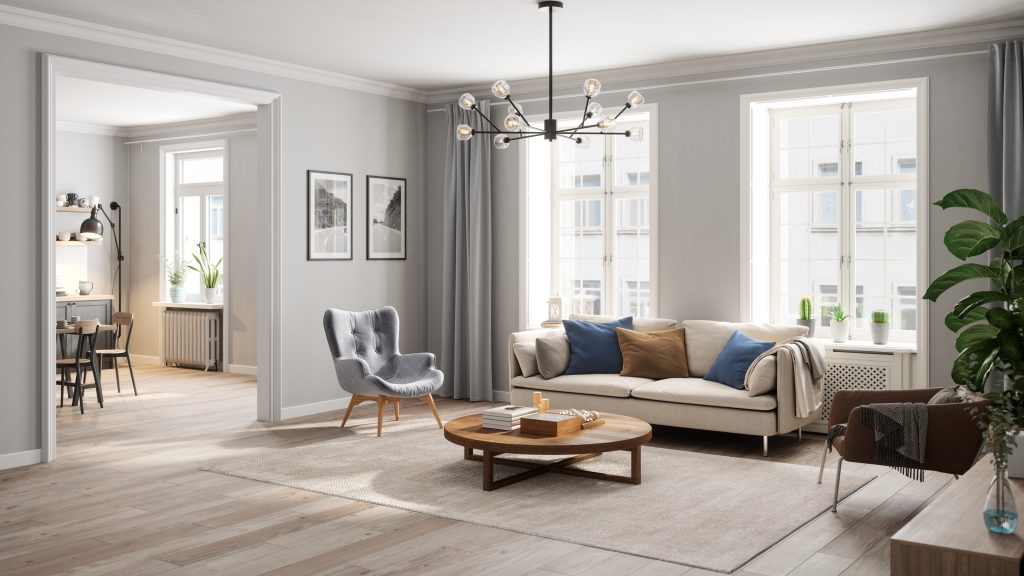
Open-plan living is a hallmark of modern interior design, offering a spacious, airy feel that encourages connection and flexibility. However, without clear divisions, these expansive spaces can sometimes feel undefined or chaotic. Enter the power of area rugs—a stylish and practical tool to create structure, enhance aesthetics, and bring warmth to open-plan interiors.
For design-conscious homeowners, the right area rug can transform an open space into a harmonious, well-organized environment. In this guide, we’ll explore how to use area rugs to define different zones within your home while maintaining a cohesive and sophisticated design.
Why Use Area Rugs in Open-Plan Spaces?
Open-concept layouts blur the lines between living, dining, and kitchen areas. While this openness fosters a sense of flow, it can also make rooms feel unanchored. Area rugs help by:
✔ Defining separate zones – Rugs create distinct areas within an open space, making each section feel intentional.
✔ Enhancing visual cohesion – The right rug choices tie together furniture groupings and design elements, preventing a disjointed look.
✔ Adding warmth and comfort – Rugs introduce softness underfoot, reducing noise and making large spaces feel cozy.
✔ Providing a flexible design solution – Unlike permanent dividers or walls, rugs can be switched out seasonally or as your style evolves.
How to Use Area Rugs to Define Key Spaces
1. The Living Room: Creating a Cozy Gathering Space
In an open-plan home, the living room is often the heart of the space. A well-placed area rug helps ground seating arrangements and create an inviting atmosphere.
Design Tip: Choose a rug that extends beyond the front legs of sofas and chairs to unify the seating area. A large-scale rug (at least 8’x10’ or larger) makes the space feel intentional and prevents furniture from looking like it’s floating.
✔ Best Rug Shapes: Rectangular rugs work well for standard living room layouts, while round rugs add a unique touch to curved seating arrangements.
✔ Pattern & Texture: Opt for textured rugs like wool or jute to add depth, or go for a patterned design to introduce visual interest.
2. The Dining Area: Framing the Table with Style
A rug under the dining table adds definition to the eating area and enhances the overall ambiance.
Design Tip: Ensure the rug extends at least 24 inches beyond the edges of the table so chairs remain on the rug, even when pulled out.
✔ Best Rug Shapes: Rectangular rugs suit long tables, while round rugs complement circular dining tables beautifully.
✔ Material Considerations: Choose durable, low-pile rugs that are easy to clean, such as stain-resistant synthetics or indoor-outdoor options, to handle spills and crumbs.
3. The Kitchen: Adding Comfort & Functionality
While not traditionally thought of as a place for rugs, open kitchens benefit from runners or small rugs to add warmth and define work areas.
Design Tip: A runner along the sink or island creates a stylish yet functional touch, providing comfort for standing.
✔ Best Rug Shapes: Runners work well in galley-style kitchens, while small rectangular rugs define prep zones.
✔ Material Considerations: Opt for washable, water-resistant rugs such as flatweaves or performance rugs that can handle spills and foot traffic.
4. The Entryway: Making a Statement
A well-placed rug at the entryway establishes a strong first impression and helps delineate the transition from the outside world into your home.
Design Tip: Choose a rug that complements your home’s overall aesthetic and fits within the space without overwhelming it.
✔ Best Rug Shapes: Runners for narrow hallways, rectangular rugs for spacious foyers, or round rugs to soften angular spaces.
✔ Material Considerations: Durable, low-maintenance rugs like wool or synthetic blends withstand foot traffic and trap dirt before it spreads through the home.
5. The Home Office: Carving Out a Work Zone
With remote work becoming more common, defining a home office space within an open-plan home is crucial for productivity. A rug can set this area apart while maintaining an integrated look.
Design Tip: Place the rug under your desk and chair to create a designated work zone that feels separate from the rest of the room.
✔ Best Rug Shapes: Rectangular rugs for standard desks, round rugs for corner workspaces.
✔ Material Considerations: Low-pile or flatweave rugs allow office chairs to move easily while adding a professional touch to the space.
Styling Tips for a Cohesive Look
To ensure your open-plan space feels unified rather than fragmented, follow these design principles:
1. Stick to a Consistent Color Palette
Use rugs that share complementary hues or patterns to create visual flow between zones. Neutrals with pops of accent colors work well for a balanced look.
2. Mix and Match Textures
Layering different rug textures—such as a plush wool rug in the living room and a natural fiber rug in the dining area—adds depth while maintaining harmony.
3. Use Different Sizes for Contrast
Avoid using identical rug sizes in each area. A large rug in the living room paired with a smaller one in the dining space prevents a monotonous look.
4. Keep Furniture Placement in Mind
Ensure rugs are large enough to accommodate key furniture pieces, so they don’t appear undersized or disconnected from the space.
5. Layer Rugs for Added Interest
In extra-large open spaces, layering rugs (such as a jute base rug with a patterned accent rug on top) creates warmth and distinction.
Area rugs are more than just decorative pieces—they are essential tools for defining open-plan spaces with style and function. Whether you’re creating a cozy living area, anchoring a dining space, or setting boundaries for a home office, the right rug enhances the flow and harmony of your home.
At our showroom, we offer a curated selection of high-quality rugs tailored for design-conscious homeowners. Visit us today to explore styles, textures, and materials that will bring your open-plan vision to life.