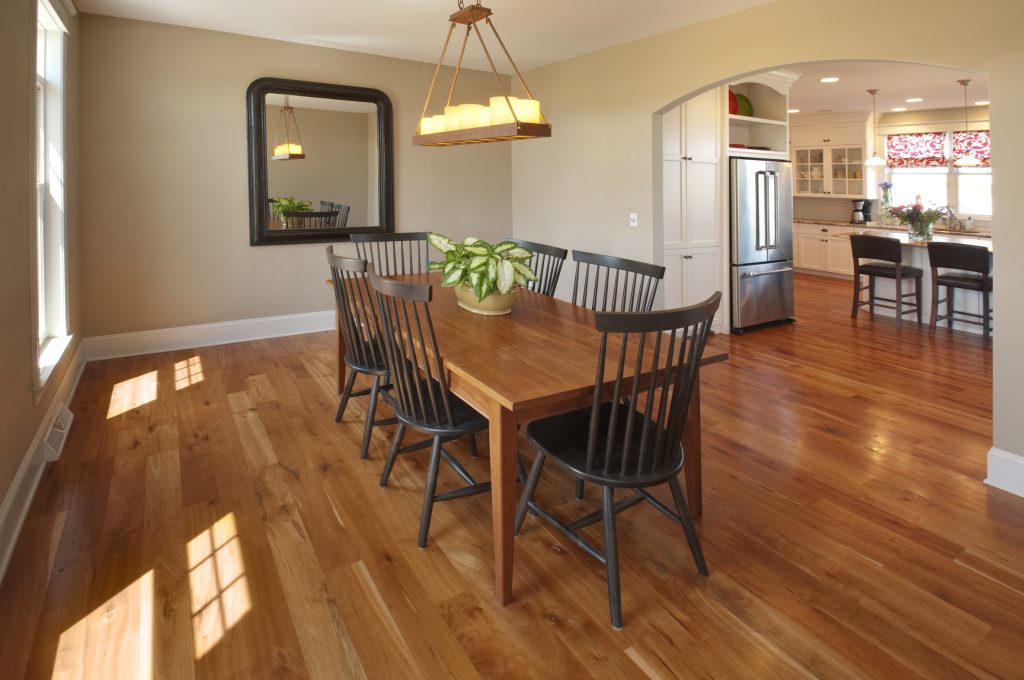
Hardwood floors bring warmth, elegance, and timeless beauty to a home, but they also require proper care—especially in humid summer months. As temperatures rise and moisture levels increase, hardwood flooring can expand, warp, or even develop gaps if not properly maintained.
For many homeowners, keeping hardwood floors in top condition is just as important as choosing the perfect stain, finish, or plank width. In this guide, we’ll explore how humidity affects hardwood flooring and share expert tips to protect your investment through the summer season.
How Humidity Affects Hardwood Flooring
Hardwood is a natural material, meaning it reacts to environmental changes like heat and moisture. During the summer, high humidity levels can lead to:
Expansion & Cupping – When hardwood absorbs excess moisture, the planks swell and may begin to cup, where the edges rise higher than the center.
Warping & Buckling – Severe humidity changes can cause planks to warp or lift away from the subfloor.
Gapping & Shrinking – If humidity suddenly drops (such as when air conditioning is used excessively), wood may contract, causing gaps between planks.
Understanding these potential issues helps homeowners take preventative steps to maintain their floors’ beauty and longevity.
Summer Hardwood Floor Care: Preventative Measures
The best way to maintain hardwood flooring during humid months is by keeping humidity levels consistent and preventing excess moisture from affecting the wood. Here’s how:
1. Control Indoor Humidity
Maintaining the right indoor humidity level (ideally between 35% and 55%) is key to preventing wood expansion and contraction.
✔ Use a Dehumidifier – If your home tends to get too humid in the summer, a dehumidifier helps regulate moisture levels.
✔ Run Air Conditioning – AC units naturally remove humidity from the air, helping keep floors dry.
✔ Check Humidity Levels – Use a hygrometer to monitor indoor humidity and adjust settings as needed.
Pro Tip: Avoid sudden temperature drops, as blasting the AC too high can cause the wood to shrink rapidly.
2. Keep Floors Clean and Dry
Summer activities like pool days, rainy weather, and increased foot traffic can introduce excess moisture to hardwood flooring.
Wipe Up Spills Immediately – Any standing water on hardwood should be cleaned right away to prevent moisture absorption.
Use Entryway Mats & Rugs – Place mats at entry points to trap dirt and moisture before it reaches your floors.
Sweep and Dry Mop Regularly – Dust and debris can scratch the finish, while moisture buildup from wet feet can seep into the wood.
Pro Tip: Avoid using excessive water when cleaning—stick to damp mops or hardwood-approved cleaners instead.
3. Protect Floors from Summer Elements
Summer can bring extra challenges like strong sunlight, high foot traffic, and outdoor elements that impact hardwood flooring.
Limit Sun Exposure – Direct sunlight can fade hardwood floors over time. Use curtains, blinds, or UV-protective window films to minimize sun damage.
Encourage a No-Shoes Policy – Sand, dirt, and small rocks from outside can scratch floors. Encourage guests to remove shoes before entering.
Keep Pet Paws Clean – Pets can track in mud and water during summer outings. Wipe their paws before they walk across your hardwood floors.
Pro Tip: If you have an outdoor pool, make sure swimmers dry off before stepping inside to avoid water damage.
4. Use Proper Flooring Maintenance Products
Choosing the right cleaning and maintenance products ensures your floors stay protected and looking their best.
✔ Hardwood-Safe Cleaners – Avoid harsh chemicals or vinegar-based solutions that can strip protective finishes.
✔ Humidity-Resistant Finishes – If you’re refinishing your floors, consider a moisture-resistant sealant to help combat summer humidity.
✔ Furniture Pads – With more indoor activities in the summer, protect floors from scratches by using felt pads under furniture legs.
Pro Tip: Avoid steam mops, as they introduce excess moisture that can penetrate and damage wood flooring.
What to Do If Your Hardwood Floors React to Humidity
Despite your best efforts, your hardwood floors may still show signs of expansion, cupping, or gapping. Here’s what you can do:
If Cupping Occurs:
- Reduce humidity levels gradually using a dehumidifier or AC.
- Avoid sanding or refinishing cupped boards too soon, as they may return to normal once humidity stabilizes.
If Gapping Appears:
- Maintain a consistent humidity level year-round to allow floors to expand and contract naturally.
- Minor gaps often close up when humidity increases—if they persist, a professional may need to address them.
If Buckling or Warping Happens:
- Buckling is a serious issue that often results from prolonged moisture exposure.
- Consult a flooring specialist immediately, as repairs may be necessary.
Pro Tip: A small amount of movement in hardwood flooring is normal—concern arises when changes are extreme or persistent.
Long-Term Strategies for Hardwood Floor Protection
To ensure your floors stay beautiful year after year, consider these long-term maintenance strategies:
Seasonal Adjustments – Use humidifiers in winter (when air is dry) and dehumidifiers in summer to maintain balance.
Proper Ventilation – Good airflow throughout your home prevents moisture buildup and helps wood maintain stability.
Professional Inspections – Have a flooring professional assess your floors periodically, especially if you live in a climate with extreme seasonal changes.
Pro Tip: If you’re building or renovating, consider engineered hardwood, which is more resistant to humidity fluctuations than solid wood.
Hardwood flooring is a stunning and durable investment, but it requires careful attention during humid summer months. By managing humidity, keeping floors dry, and using proper maintenance techniques, you can preserve the beauty of your floors while enjoying the season.
With a few preventative steps, your hardwood floors will remain strong, stylish, and built to last—no matter the summer heat and humidity.