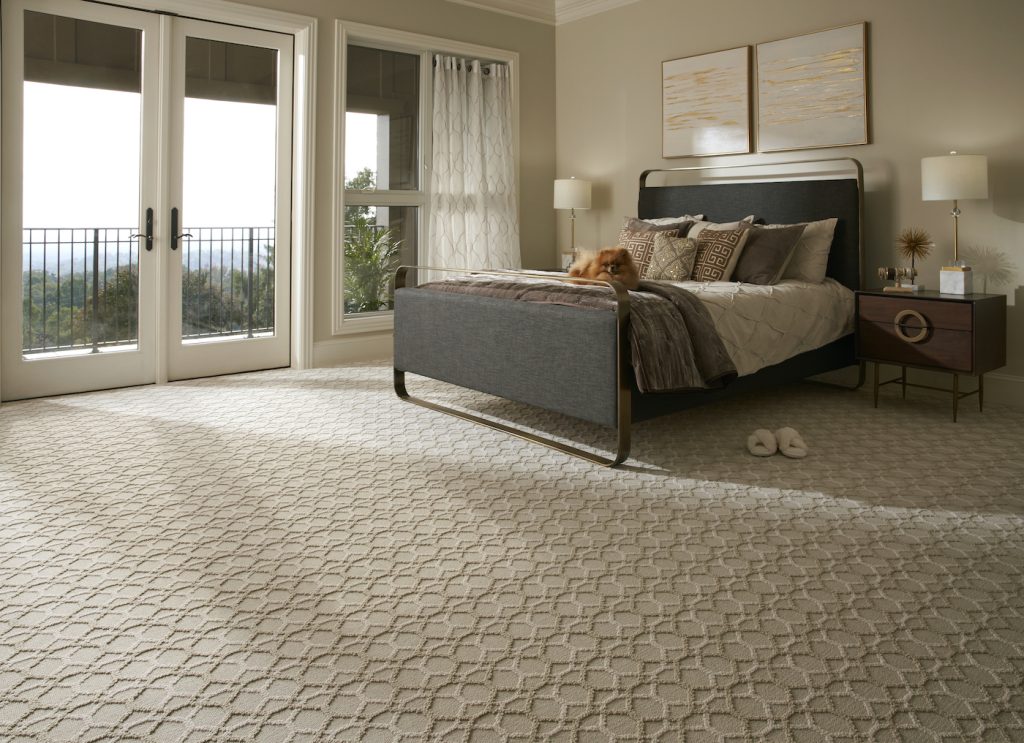
In today’s fast-paced world, having a tranquil space to unwind is more important than ever. Whether it’s a cozy bedroom, a serene living room, or a peaceful reading nook, the right carpet can set the tone for relaxation. For many homeowners, choosing the best carpet colors is a key step in creating a calm sanctuary that reflects both style and serenity. Let’s explore how color psychology, texture, and design can help you craft the ultimate retreat.
The Psychology of Colors: Setting the Mood
Colors play a significant role in influencing our emotions and state of mind. When selecting a carpet for a relaxing space, understanding the psychology behind colors can help you make an informed choice:
- Soft Blues: Often associated with tranquility and stability, blue is a top choice for relaxation. Lighter shades like powder blue or sky blue can evoke a sense of calmness, making them ideal for bedrooms and sitting areas.
- Neutral Tones: Shades like beige, taupe, and light gray are versatile and soothing. These colors create a neutral backdrop that promotes relaxation without overwhelming the senses.
- Muted Greens: Green represents nature and renewal. Soft, muted tones like sage or olive green can bring a sense of harmony and balance to your space.
- Pale Lavenders: A subtle lavender or lilac can provide a calming effect, combining the soothing qualities of blue with the warmth of red for a balanced and serene feel.
- Warm Whites: Off-whites and creams add a touch of warmth while maintaining a clean, airy aesthetic. These colors are perfect for creating a minimalist, clutter-free sanctuary.
Texture Matters: Enhancing the Comfort Factor
While color is crucial, the texture of your carpet also contributes to the overall ambiance of a room. Soft, plush carpets provide a tactile experience that can enhance feelings of comfort and relaxation. Here are some options to consider:
- Saxony Carpets: Known for their luxurious, velvety feel, Saxony carpets are a great choice for creating a cozy and inviting atmosphere.
- Frieze Carpets: With their twisted fibers, frieze carpets offer a casual yet soft texture that’s perfect for relaxing spaces.
- Cut and Loop Carpets: Combining different textures, these carpets can add visual interest and a sense of depth to your sanctuary.
- Shag Carpets: If you’re looking for maximum softness, a shag carpet can deliver unparalleled comfort underfoot.
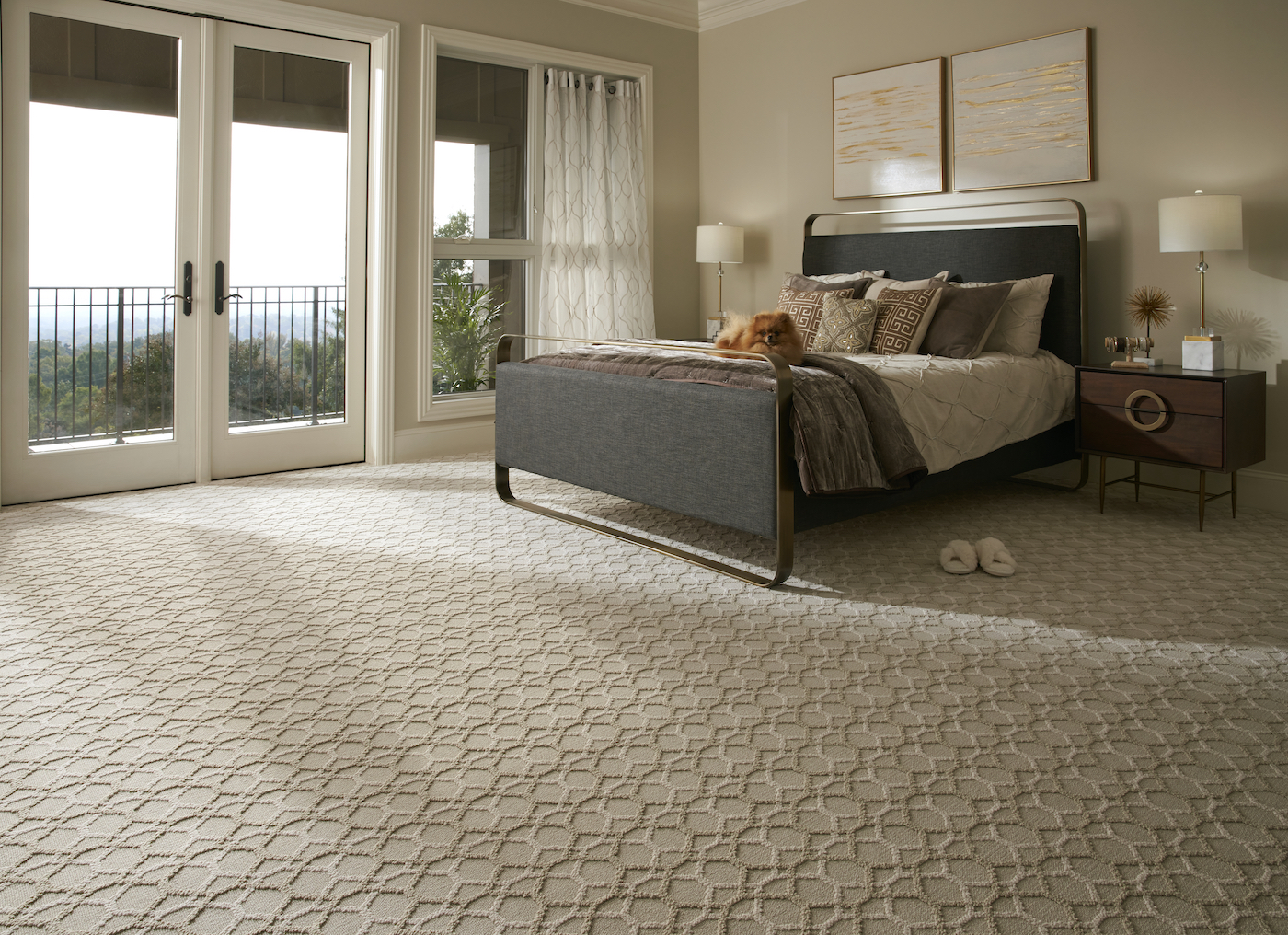
Pairing Carpet Colors with Interior Design Styles
The right carpet color can complement and enhance your overall interior design style. Here are some tips for matching your carpet to your decor:
- Minimalist Spaces: Opt for neutral tones like light gray or cream to maintain a clean, uncluttered look. Pair these with simple furniture and natural materials for a serene vibe.
- Bohemian Retreats: Soft greens or muted blues can anchor a boho-style room filled with layered textiles, plants, and eclectic decor.
- Modern Elegance: For a sophisticated, contemporary feel, consider pale lavender or soft taupe carpets. These colors pair beautifully with metallic accents and sleek furniture.
- Rustic Charm: Earthy tones like beige or sage green work well in rustic or farmhouse-inspired spaces, complementing wood accents and natural textures.
Lighting and Its Impact on Carpet Colors
Lighting plays a critical role in how carpet colors are perceived. A color that looks soothing in natural daylight might appear different under artificial lighting. To ensure you select the perfect shade:
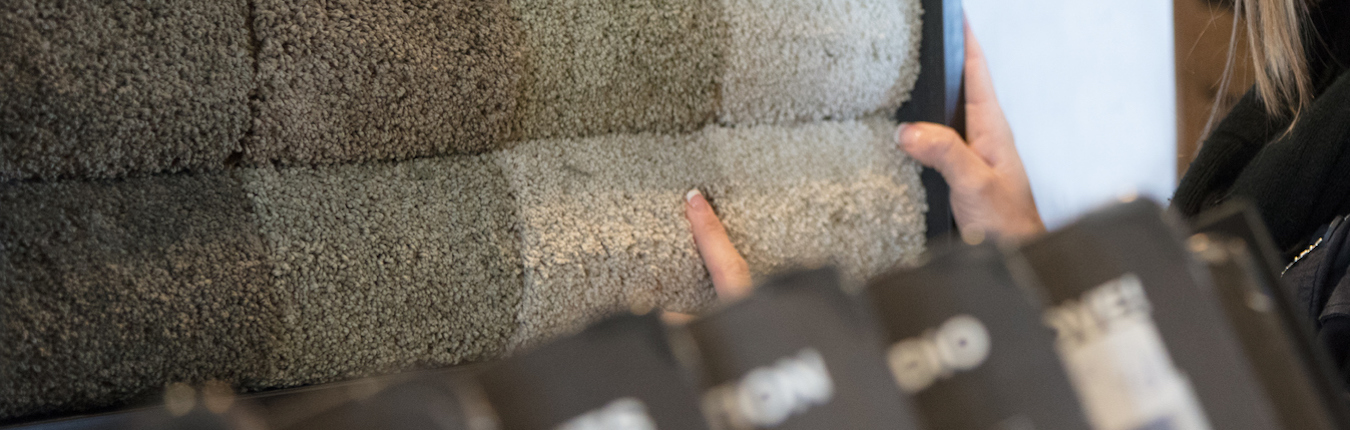
- Test Swatches: Bring carpet samples home and observe them in various lighting conditions throughout the day.
- Consider Light Bulbs: Warm white bulbs can enhance the coziness of neutral tones, while cool white bulbs might amplify the calming effect of blues and greens.
- Natural Light: If your space gets ample sunlight, consider how the light changes throughout the day and how it interacts with your chosen carpet color.
Creating a Layered Look: Rugs and Accessories
Layering rugs over your carpet can add depth and enhance the relaxing atmosphere. Choose rugs with complementary colors and textures to elevate the overall design. For example:
- A neutral carpet with a soft blue or green area rug can create a visually pleasing contrast.
- Textured rugs, like those made from jute or wool, can add an extra layer of coziness.
- Patterned rugs with subtle designs can bring character to the space without overwhelming the calm aesthetic.
Maintenance Tips for Relaxation-Friendly Carpets
To maintain the tranquil vibe of your sanctuary, it’s essential to keep your carpet looking its best. Here are some tips:
- Regular Vacuuming: Prevent dirt and debris from dulling your carpet’s appearance by vacuuming frequently.
- Spot Cleaning: Address spills and stains promptly to keep your carpet pristine.
- Professional Cleaning: Schedule deep cleanings annually to refresh your carpet and extend its lifespan.
- Use Area Rugs: Protect high-traffic areas with rugs to minimize wear and tear on your carpet.
Final Touches: Accessories to Complete Your Sanctuary
The right accessories can enhance the calming effect of your carpet and tie the room together. Consider these finishing touches:
- Throw Pillows and Blankets: Choose soft, coordinating textiles to complement your carpet color.
- Plants: Incorporate greenery to add a natural, soothing element to your space.
- Lighting: Use dimmable lights or lamps with warm bulbs to create a relaxing ambiance.
- Artwork: Select calming artwork that aligns with your color palette and theme.
Creating a calm sanctuary starts from the ground up, and choosing the right carpet color is a crucial step in the process. By considering color psychology, texture, lighting, and design, you can transform any room into a haven of relaxation and style. Whether you prefer soft blues, muted greens, or warm neutrals, there’s a carpet color that will perfectly suit your vision and help you achieve the tranquil space you’ve always wanted.
Ready to find the perfect carpet for your sanctuary? Visit our showroom to explore a wide range of colors, textures, and styles. Let us help you bring your dream retreat to life.