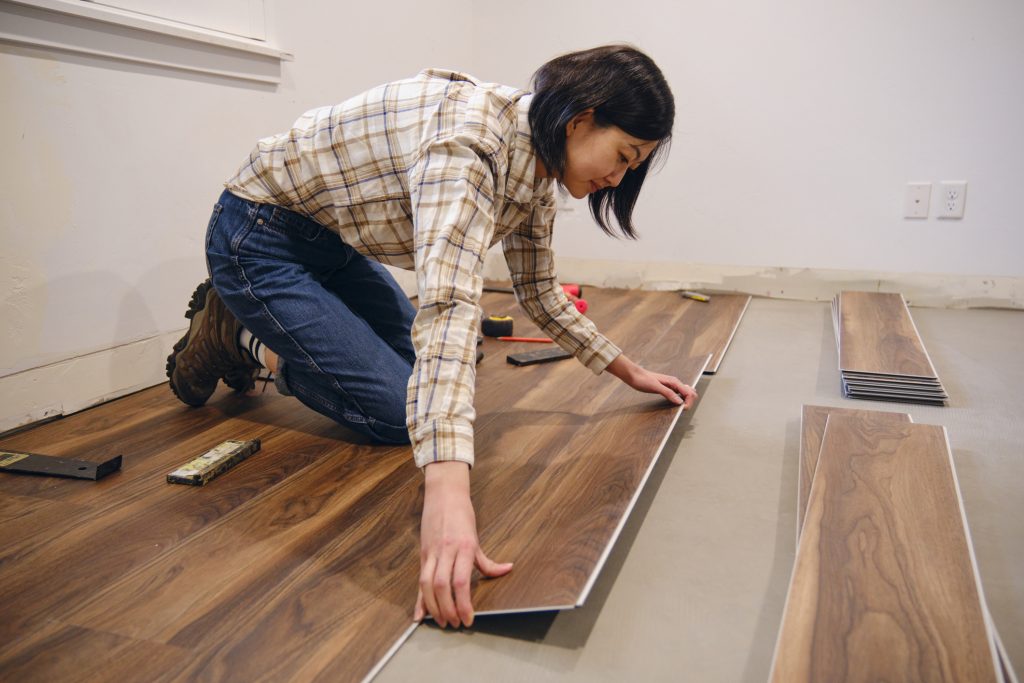
Waterproof flooring is a game-changer for customers who want both style and practicality in their homes. With a wide array of options available, it's easier than ever to find the perfect waterproof flooring for your space. However, when it comes to installation, you face a critical decision: should you embark on a DIY project or enlist professional assistance? In this blog post, we'll explore the pros and cons of both approaches to help you make an informed choice on whether to tackle waterproof flooring installation yourself or seek professional help.
The Case for DIY Waterproof Flooring Installation
Pros of DIY Installation:
- Cost Savings: One of the most significant advantages of DIY installation is cost savings. By taking on the project yourself, you can avoid labor costs associated with professional installation.
- Flexibility: When you choose to go the DIY route, you have the flexibility to work on your own schedule. You can spread the installation over a few days, weekends, or whenever it's most convenient for you.
- Learning Experience: DIY installations can be educational and empowering. You get to learn new skills, and the satisfaction of completing a project on your own is rewarding.
- Design Control: You have complete control over the installation process, ensuring the design and layout match your vision precisely.
- Smaller Projects: If you have a small area to cover, such as a bathroom or laundry room, DIY installation can be an efficient and cost-effective choice.
Cons of DIY Installation:
- Complexity: Waterproof flooring installation may look straightforward, but it can be more complex than it seems. Proper subfloor preparation, accurate measurements, and precise cutting are critical for a successful installation.
- Tools and Equipment: DIY installers will need to invest in the necessary tools and equipment, including adhesive, a notched trowel, utility knife, straight edge, and underlayment, depending on the type of waterproof flooring.
- Risk of Errors: Mistakes in the installation process can lead to misaligned tiles, visible seams, and an uneven surface. These errors can be challenging to correct.
- Time-Consuming: DIY installation can be time-consuming, especially if you're inexperienced. It may take longer to complete the project than it would for a professional installer.
- Limited Warranty: Some manufacturers may void the warranty if the waterproof flooring is not installed by a professional. This is an important consideration, as a warranty can provide valuable protection against defects and damage.
The Case for Professional Waterproof Flooring Installation
Pros of Professional Installation:
- Expertise and Experience: Professional installers have the skills and experience needed to ensure a flawless installation. They are well-versed in handling different subfloor types and addressing potential issues.
- Efficiency: Professionals work efficiently and can complete the installation quickly. This means less disruption to your daily life and a faster turnaround.
- Proper Tools and Equipment: Installers come equipped with the necessary tools, ensuring precision and quality in the installation.
- Warranty Coverage: When you hire a professional, your waterproof flooring installation is often covered by a warranty from the installer. This adds an extra layer of protection for your investment.
- High-Quality Results: Professionals are more likely to achieve a high-quality finish, ensuring your flooring not only looks beautiful but also performs well over time.
Cons of Professional Installation:
- Cost: The primary drawback of hiring a professional installer is the cost. Labor fees can add a significant expense to your flooring project.
- Less Control: While professionals aim to meet your design preferences, you may have limited control over the installation process, as you rely on their expertise and experience.
- Scheduling: You'll need to coordinate with the installer's schedule, which may not always align with your preferred timeline.
- Finding a Reliable Installer: Ensuring you hire a reliable and skilled installer can be a challenge. It's essential to research and obtain recommendations.
- Potential for Disruption: While professional installation is efficient, it may still cause some disruption to your daily life as the project progresses.
Making the Right Choice
Your decision between DIY and professional waterproof flooring installation should depend on several factors, including the complexity of the project, your level of experience, your budget, and your design preferences.
If you're confident in your DIY skills, have experience with flooring installations, and are tackling a small area, such as a bathroom, a DIY project can be cost-effective and satisfying.
However, for larger spaces, areas with complex layouts, or when working with high-end waterproof flooring products, hiring a professional installer is often the best choice to ensure a flawless finish.
Here are some general tips to keep in mind:
Assess Your Skills
Be honest about your level of expertise. If you're uncertain about your abilities, it's better to invest in professional installation to avoid costly mistakes.
Consider the Project Scope
Smaller, less complex projects are more suitable for DIY installation. Larger or intricate layouts are better left to professionals.
Budget Wisely
Remember to factor in not only the cost of the waterproof flooring but also the installation when setting your budget. While DIY may seem cost-effective, the quality of the installation can greatly affect the longevity and performance of your flooring.
Obtain Professional Recommendations
When hiring an installer, seek recommendations, read reviews, and check references to ensure you choose a reputable professional.
Review Warranty Conditions
If you have a specific waterproof flooring brand in mind, check the manufacturer's warranty conditions. Some may require professional installation for warranty coverage.
Waterproof flooring is an excellent choice for customers, and the decision to go the DIY route or hire a professional installer should be carefully considered. While DIY installation can be cost-effective and rewarding for smaller, less complex projects, professional installation offers expertise, efficiency, and warranty coverage, making it the preferred choice for larger spaces or intricate layouts.
Ultimately, your choice should align with your skill level, project scope, budget, and design preferences. By weighing the pros and cons of both options, you can confidently select the installation method that best suits your needs and ensures the long-lasting beauty and performance of your waterproof flooring.