When it comes to hardwood flooring, one size certainly doesn't fit all. Customers appreciate the beauty and timeless elegance of hardwood, but choosing the right installation method is just as important as selecting the wood species and finish. Each installation method has its own set of advantages and considerations, and the choice you make can greatly impact the final look and performance of your hardwood floor. In this blog post, we'll guide you through the various hardwood floor installation methods, helping you determine which one is the perfect fit for your project.
Nail-Down Installation
Nail-down installation, also known as staple-down installation, is one of the most traditional and common methods for installing hardwood floors. Here's what you need to know about it:
How It Works
This method involves fastening individual hardwood planks to the subfloor using nails or staples. It's typically used for solid hardwood flooring or engineered wood with a thicker wear layer.
Advantages
Nail-down installation provides excellent stability and longevity. It ensures a firm and secure floor that can withstand the test of time.
Considerations
This method requires skill and experience, so it's often best left to professional installers. Additionally, it's not recommended for concrete subfloors.
Glue-Down Installation
Glue-down installation is a suitable method for both solid and engineered hardwood flooring. Here's what to consider:
How It Works
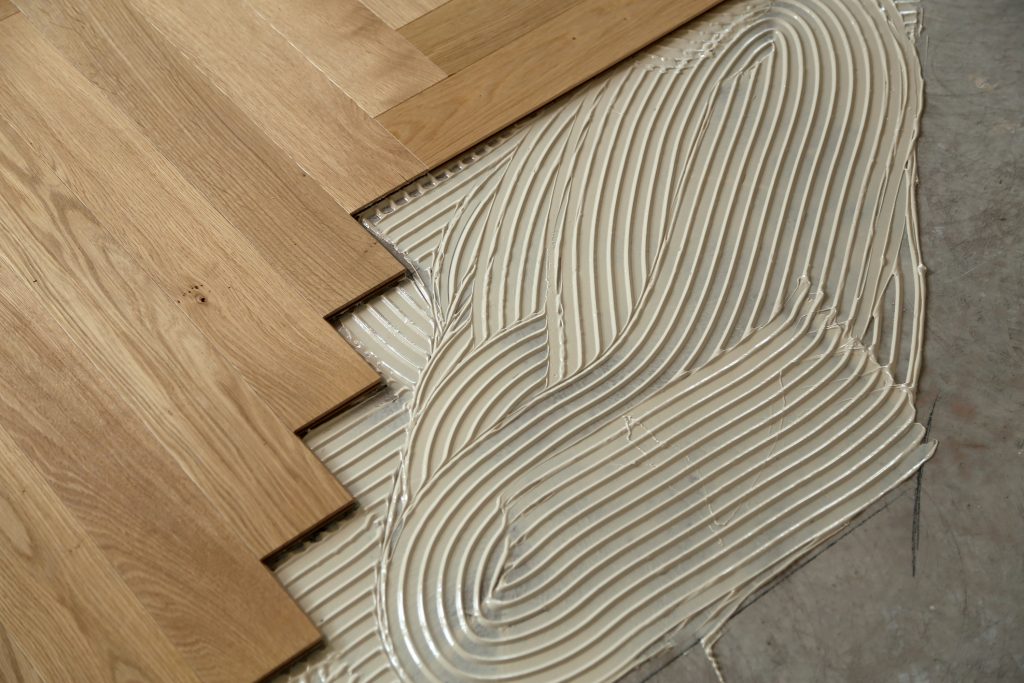
In this method, the hardwood planks are glued directly to the subfloor using a high-quality adhesive. It's a popular choice for engineered wood with a thinner wear layer.
Advantages
Glue-down installation creates a strong bond that minimizes movement and sound. It's ideal for areas with high traffic and can be used over concrete subfloors.
Considerations
The adhesive can be messy, and it's crucial to ensure the subfloor is clean and level. This method can also be challenging to remove if you decide to change the flooring in the future.
Click-Lock Installation
Click-lock installation, also known as floating installation, is a user-friendly method suitable for engineered hardwood and some solid hardwood options. Here's what you should know:
How It Works
Click-lock installation involves connecting individual planks together, creating a "floating" floor that rests on the subfloor without any adhesive, nails, or staples. Instead, the planks are securely attached to each other via interlocking tongues and grooves.
Advantages
Click-lock installation is the easiest method for DIY enthusiasts. It's fast and convenient and allows for a "floated" installation, meaning the floor can expand and contract with changes in temperature and humidity.
Considerations
While it's an excellent choice for many situations, it may not provide the same level of stability as nail-down or glue-down methods. Subfloor preparation is still essential to ensure a level and clean surface.
Subfloor Preparation
Regardless of the installation method you choose, subfloor preparation is a crucial step in achieving a successful hardwood floor installation. Here are some key considerations:
Subfloor Condition
The subfloor should be dry, clean, level, and structurally sound. Any imperfections or unevenness in the subfloor can lead to problems with your hardwood floor.
Moisture Control
Moisture can be a major concern, especially in basements or areas prone to humidity. Moisture barriers, vapor retarders, or underlayments may be necessary to prevent moisture-related issues.
Acclimation
Hardwood planks should be acclimated to the environment where they will be installed. This ensures that the wood reaches the same temperature and humidity levels as the space, reducing the risk of expansion or contraction after installation.
Professional Help
Subfloor preparation is a task that may require professional assessment and adjustments. If you're unsure about the condition of your subfloor, it's best to consult with an experienced installer.
Floating Floors and Underlayments
If you opt for a click-lock or floating installation, you'll likely use an underlayment. Here's what you need to know:
Underlayment
Underlayment is a thin layer of material installed over the subfloor and beneath the hardwood flooring. It provides cushioning, sound insulation, and moisture protection. The choice of underlayment depends on the specific needs of your project.
Sound Control
Underlayments are particularly useful in apartments or multi-story homes where sound control is important. They can minimize noise transmission between floors.
Moisture Barrier
Some underlayments have built-in moisture barriers, which are essential in areas prone to moisture issues.
Installation
When using underlayment, follow the manufacturer's recommendations for installation. This can include overlapping seams and adhering to specific guidelines.
Selecting the right hardwood floor installation method is a significant decision for customers. Each method offers unique advantages and considerations, and the choice depends on your specific project, subfloor condition, and personal preferences.
Whether you prefer the traditional stability of nail-down installation, the strong bond of glue-down installation, the DIY-friendly click-lock installation, or the convenience of floating floors with underlayments, your choice should align with your design vision and the practical needs of your space. Subfloor preparation is equally crucial to ensure a smooth and lasting hardwood floor installation.
By making an informed decision, you can enjoy the beauty, durability, and elegance of hardwood flooring that compliments your sensibilities while enhancing the ambiance of your home for years to come.