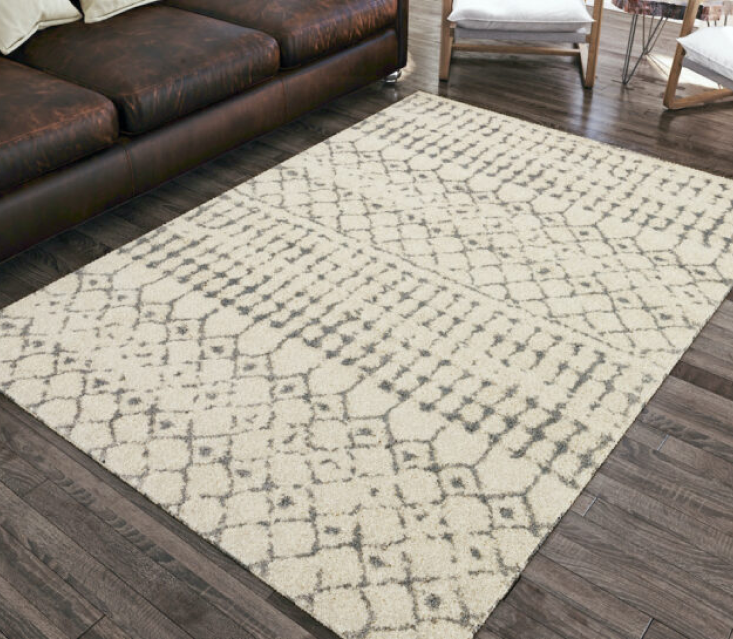
When it comes to interior design, choosing the right size area rug can make all the difference in creating a cohesive and comfortable space. From defining a room’s purpose to highlighting design features, there are many factors to consider when selecting an area rug. In this blog post, we’ll explore how to choose the right size area rug to elevate your space.
Determine the Rug’s Purpose
Before selecting an area rug, it’s important to consider its purpose. Is the rug meant to define a space, add comfort, or create visual interest? Each of these purposes require a different size rug.
If you’re looking to define a space, such as a seating area in a larger room, a rug should be large enough to encompass the entire area. This creates a clear boundary and helps anchor the furniture. On the other hand, if you’re looking to add comfort, such as in a bedroom, a rug should be large enough for your feet to comfortably touch the rug when getting out of bed.
Lastly, if you’re looking to create visual interest, a smaller rug can be used as an accent piece. This can be particularly effective in a minimalist space, where a bold rug can add a pop of color or texture.
Consider Room Size and Furniture Placement
When selecting an area rug, it’s important to consider the size of the room and the placement of furniture. As a general rule of thumb, a rug should cover at least 2/3 of the floor space in a room. However, this can vary depending on the size of the room and the furniture layout.
In a smaller room, a larger rug can make the space feel cozy and inviting. In a larger room, multiple rugs can be used to define separate areas while still creating a cohesive look. When it comes to furniture placement, a rug should be large enough to accommodate all furniture legs, or at least the front legs, to create a unified look.
Highlight Design Features
The size of an area rug can also impact how other design features in the room are highlighted. For example, a large rug with a bold pattern can detract from a piece of art on the wall or a unique lighting fixture. Conversely, a smaller rug can accentuate these features.
When selecting an area rug, consider how it will complement or compete with other design elements in the room. If you have a statement piece of furniture or artwork, a neutral or solid-colored rug can help highlight it. If you’re looking to create a focal point with the rug, choose a bold pattern or color that will stand out.
Choose a Rug Size Based on Shape
Finally, the shape of an area rug can also impact its size. A rectangular rug should be large enough to accommodate all furniture legs, while a round rug should be large enough for the furniture to sit on the rug itself. A square rug can be used to anchor a square-shaped room or seating area, while a runner can be used to define a hallway or narrow space.
When selecting a rug shape and size, consider the overall shape of the room and the placement of furniture. If you have a circular table, for example, a round rug can help anchor the space and create a cohesive look.
In conclusion, selecting the right size area rug is an important aspect of any interior design project. By considering the rug’s purpose, the size of the room and furniture placement, design features, and shape, you can create a cohesive and comfortable space. With these tips in mind, you’re ready to elevate your space with the perfect area rug.