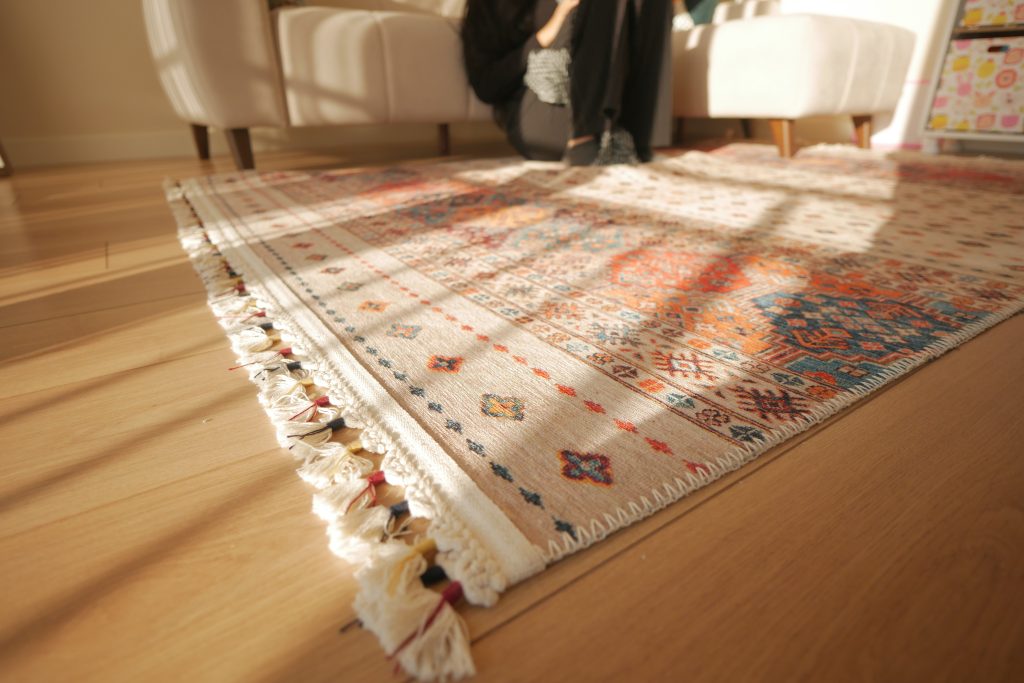
As summer settles in, our homes tend to take on a lighter, more relaxed feel. Windows open wider, natural light becomes a central feature, and interiors shift to reflect the ease of the season. It’s a time when heavy layers are replaced with breathable textures and thoughtful details that feel curated rather than crowded.
One of the most impactful ways to introduce that sense of individuality and warmth is through handcrafted rugs.
Unlike mass-produced options, handcrafted rugs carry a story. They reflect the artistry, tradition, and skill of the makers behind them, often incorporating techniques passed down through generations. For design-conscious homeowners, these pieces offer something more than function, they bring depth, character, and a sense of authenticity that transforms a space.
In summer interiors, where simplicity often takes center stage, that kind of detail becomes even more meaningful.
Handcrafted rugs are inherently unique. Subtle variations in color, pattern, and texture give each piece a one-of-a-kind quality that can’t be replicated. This individuality allows them to act as focal points, grounding a room while adding visual interest in a way that feels organic rather than forced.
In a living room filled with soft neutrals and natural materials, a handwoven rug can introduce just enough variation to keep the space from feeling flat. In a bedroom, it can add warmth and softness without disrupting the airy, open feel that summer design calls for.
Material plays a significant role in both the look and feel of handcrafted rugs. Natural fibers like wool, cotton, jute, and silk are commonly used, each offering its own distinct qualities. Wool, for instance, is durable and naturally stain-resistant, making it ideal for high-traffic areas. Cotton tends to be lighter and more breathable, perfect for creating a casual, relaxed atmosphere.
Jute and other plant-based fibers bring an earthy texture that pairs beautifully with summer’s organic aesthetic. Their slightly imperfect, tactile quality adds depth without overwhelming the space. Silk, on the other hand, introduces a subtle sheen and a sense of refinement, often used to highlight intricate patterns or add a touch of luxury.
The beauty of these materials lies not only in their appearance but in how they interact with the environment. They respond to light, texture, and movement in ways that synthetic options often can’t replicate, enhancing the sensory experience of the room.
Color is where handcrafted rugs truly shine. Whether you’re drawn to soft, sun-washed tones or more vibrant, expressive palettes, these pieces offer endless possibilities for personalization. In summer, lighter hues – think sand, ivory, muted blues, and gentle greens – help reinforce a sense of calm and openness.
At the same time, a well-chosen rug can introduce bolder accents that energize the space. Terracotta, saffron, and indigo tones can echo the colors of nature, creating a connection between indoor and outdoor environments. Because handcrafted rugs often feature layered, nuanced color variations, even richer tones feel balanced rather than overpowering.
Pattern is another defining element. From traditional motifs to more contemporary, abstract designs, handcrafted rugs can set the tone for an entire room. A subtle geometric pattern might add structure to a minimalist space, while a more intricate design can bring a sense of history and storytelling.
The key is to let the rug guide the design rather than compete with it. When a handcrafted piece is introduced thoughtfully, it becomes a unifying element, tying together furniture, textiles, and decor in a way that feels intentional and cohesive.
Placement also plays a role in maximizing the impact of these rugs. In open-concept spaces, they can be used to define different zones, creating a sense of structure without the need for walls. A rug beneath a dining table, for example, can anchor the area while adding softness underfoot.
In smaller spaces, a handcrafted rug can serve as a statement piece, drawing the eye and adding dimension. Even in transitional areas like entryways or hallways, these rugs can introduce personality, setting the tone for the rest of the home.
Layering is another approach that works particularly well in summer interiors. Placing a smaller, more detailed handcrafted rug over a larger, neutral base such as a jute or sisal rug, adds depth and texture while maintaining a light, breathable feel. This technique allows you to highlight the artistry of the top layer while keeping the overall look grounded.
Beyond aesthetics, handcrafted rugs offer a level of quality and durability that makes them a worthwhile investment. Many are made using time-honored techniques like hand-knotting or hand-tufting, resulting in pieces that can last for years with proper care.
This longevity adds to their appeal, especially for homeowners who value sustainability and thoughtful consumption. Choosing a handcrafted rug often means supporting artisan communities and preserving traditional craftsmanship – an added layer of meaning that resonates with those who prioritize intentional design.
Maintenance, while slightly more involved than with some synthetic options, is manageable with the right approach. Regular vacuuming, prompt attention to spills, and occasional professional cleaning help maintain both appearance and integrity. Over time, these rugs develop a patina that adds to their character, telling the story of the spaces they inhabit.
Lighting also enhances the beauty of handcrafted rugs. Natural sunlight can bring out subtle color variations and highlight texture, while softer evening lighting creates a warm, inviting glow. Considering how your rug interacts with light throughout the day can help you fully appreciate its design.
Ultimately, incorporating handcrafted rugs into your summer interiors is about more than adding a decorative element. It’s about creating a space that feels personal, layered, and thoughtfully composed.
These pieces invite you to slow down and appreciate the details – the texture underfoot, the interplay of color and pattern, the craftsmanship behind every thread. In a season defined by ease and connection, they offer a grounding presence that makes a home feel both beautiful and lived in.