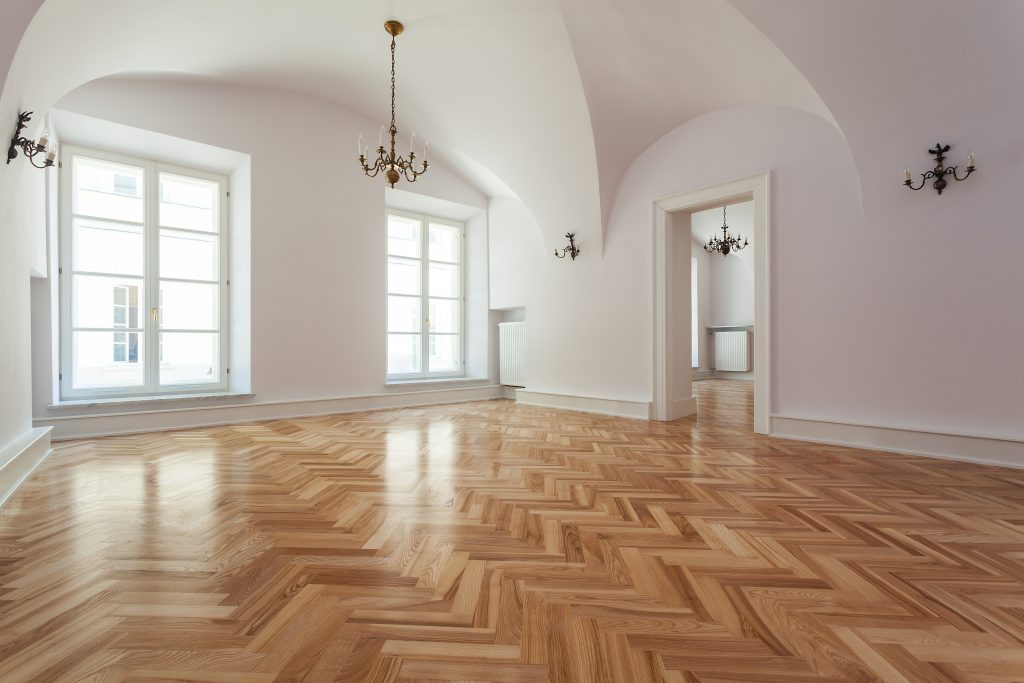
For homeowners who view their space as a reflection of personal style, flooring is more than a foundation, it’s an opportunity to make a statement. While traditional hardwoods offer timeless appeal, there’s something undeniably striking about exotic species. Rich in color, distinctive in grain, and often sourced from far-reaching corners of the world, exotic hardwoods bring a sense of artistry and individuality to a space.
But the real design magic happens when these materials are thoughtfully combined.
Mixing exotic hardwoods allows you to move beyond a one-note look and create something layered, dynamic, and entirely custom. It’s a design approach that feels curated rather than conventional, which is perfect for those who want their home to stand apart while maintaining a sense of sophistication.
Exotic hardwoods are known for their bold visual character. Species like Brazilian cherry, tigerwood, acacia, and mahogany each carry their own unique identity. Some feature dramatic color variation, ranging from deep reds to golden ambers, while others showcase intricate grain patterns that feel almost sculptural.
On their own, these woods can create a stunning effect. But when paired intentionally, they introduce contrast and depth that elevate the entire space. The key is balance – understanding how different tones and textures interact, and using those relationships to create a cohesive design.
One of the most effective ways to mix hardwoods is through contrast in tone. Pairing a darker, richer wood with a lighter, more neutral species creates visual interest without overwhelming the room. For example, a deep-toned border around a lighter wood floor can frame the space beautifully, adding definition and a sense of craftsmanship.
This technique works especially well in larger rooms, where subtle variation might otherwise go unnoticed. The contrast draws the eye, highlighting the floor as a design feature rather than just a backdrop.
Another approach is to mix woods within different areas of the home while maintaining a sense of continuity. Open-concept spaces, in particular, benefit from thoughtful transitions. Instead of using the same material throughout, consider defining zones with different hardwoods that share complementary undertones.
A warm, honey-toned acacia in the living area might transition into a slightly deeper, red-toned wood in the dining space. While the colors differ, their shared warmth creates a natural flow that feels intentional rather than disjointed.
Pattern is another powerful tool when working with multiple hardwoods. Herringbone, chevron, and parquet designs allow you to incorporate more than one wood species within a single installation. These patterns add movement and sophistication, transforming the floor into a true focal point.
In these cases, the interplay between woods becomes part of the design language. A subtle variation in tone or grain can enhance the pattern, giving it dimension and complexity without feeling busy.
Of course, mixing exotic hardwoods requires a careful eye. Because these materials are inherently bold, it’s easy for a space to feel overly busy if too many competing elements are introduced. Limiting your palette to two or three complementary species helps maintain a sense of cohesion.
Undertones are particularly important. Woods with similar warm or cool undertones tend to work well together, even if their overall colors differ. This underlying harmony ensures that the space feels unified, even as it incorporates variation.
Finish also plays a critical role. A consistent finish – whether matte, satin, or lightly textured – can tie different woods together, creating a seamless look. Without this consistency, the contrast between materials can feel more abrupt than intentional.
Beyond aesthetics, it’s important to consider how these materials function in your home. Exotic hardwoods are often prized for their density and durability, making them well-suited for high-traffic areas. However, different species can have varying levels of hardness and responsiveness to humidity.
Working with a knowledgeable flooring professional ensures that your selections not only look beautiful but perform well over time. Proper installation and acclimation are key to preserving the integrity of the materials, especially when combining multiple species.
For those who love the look of exotic hardwoods but want a more budget-friendly or low-maintenance option, there are alternatives that capture the same visual richness. Engineered hardwood, luxury vinyl plank, and laminate can replicate the colors and grain patterns of exotic species with impressive realism.
These options also make it easier to experiment with mixing looks, as they often come in coordinated collections designed to complement one another. This can take some of the guesswork out of the design process while still achieving a custom feel.
Layering with rugs and furnishings can further enhance the effect of mixed hardwoods. A neutral rug can soften a bold floor, while a patterned piece can echo the variation in the wood. Furniture and décor choices should complement rather than compete, allowing the flooring to remain a central feature of the design.
Lighting, too, influences how these materials are perceived. Natural light brings out the depth and variation in exotic woods, while warmer artificial lighting can enhance their richness. Considering how your space is lit throughout the day helps ensure that your flooring looks its best in every setting.
Ultimately, mixing exotic hardwoods is about embracing creativity while maintaining a sense of restraint. It’s a design choice that reflects confidence – a willingness to move beyond the expected and create something truly unique.
When done well, the result is a floor that feels bespoke, layered, and deeply considered. It tells a story through its materials, adding character and sophistication to the home in a way that few other elements can.