As the days grow longer and sunlight pours into our homes, summer naturally invites a shift in how we experience our spaces. We open windows, lighten up decor, and gravitate toward environments that feel fresh, airy, and uplifting. While furniture and accessories often get the seasonal spotlight, flooring plays a far more influential role than many realize, especially when it comes to color.
Color psychology, the study of how hues influence mood and behavior, is a powerful tool in interior design. And because flooring spans the largest surface area in a room, its color has a foundational impact on how a space feels. In the summer months, when we crave brightness, energy, and ease, thoughtful flooring choices can subtly shape the atmosphere of your home in meaningful ways.
Lighter tones are often the first instinct when transitioning into summer, and for good reason. Soft blondes, pale oaks, light grays, and whitewashed finishes reflect natural light, instantly making rooms feel more open and expansive. These hues create a sense of calm and clarity – qualities that align perfectly with the relaxed pace of summer living.
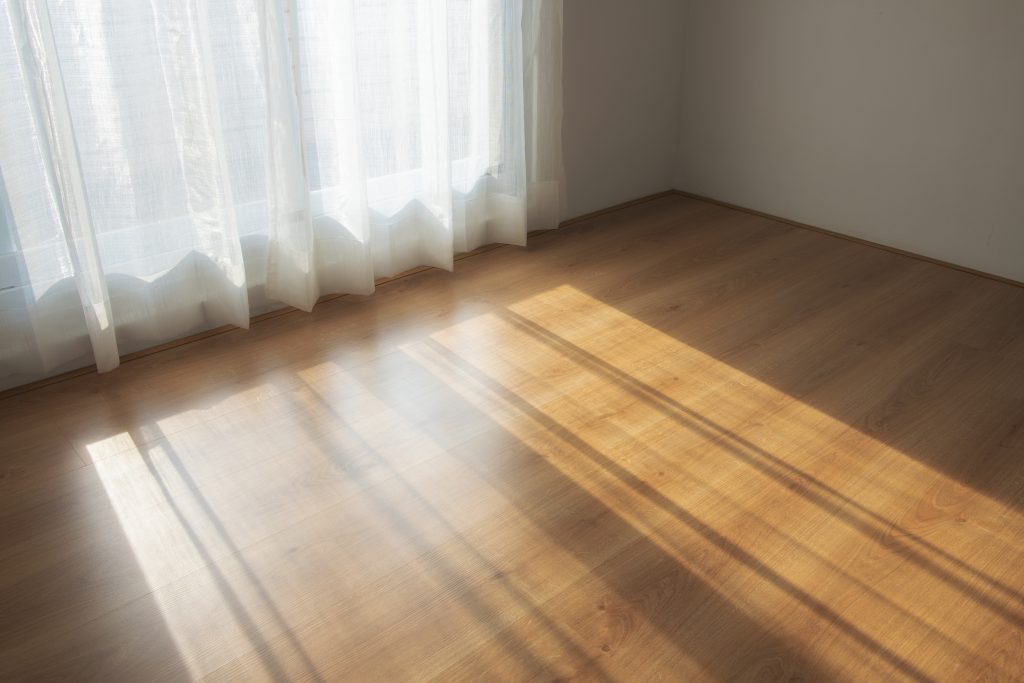
In sun-filled rooms, light-colored hardwood or luxury vinyl planks can amplify the effect of daylight, reducing the need for artificial lighting and creating a naturally uplifting environment. The result is a space that feels breathable and effortless, where the boundaries between indoors and outdoors begin to blur.
Beyond their visual brightness, these lighter tones also tend to feel cooler underfoot, both physically and psychologically. They evoke coastal influences, breezy mornings, and a sense of retreat, making them an ideal choice for homeowners looking to create a summer sanctuary within their own walls.
That said, summer design isn’t limited to pale neutrals. Warm tones can also play a significant role in shaping mood, particularly when used with intention. Honeyed woods, golden undertones, and soft taupes introduce a sense of comfort and groundedness, balancing the airiness of the season with a welcoming warmth.
These hues work especially well in gathering spaces like living rooms and dining areas, where connection and conversation take center stage. They create an inviting backdrop that feels both relaxed and refined – never heavy, but still rich with character.
For those drawn to more expressive interiors, color can become a focal point rather than a foundation. Area rugs, in particular, offer an opportunity to introduce vibrant tones without committing to a permanent change. A bold rug layered over neutral flooring can instantly energize a space, adding personality and visual interest.
Blues and greens are especially popular in summer, reflecting the natural world and promoting a sense of tranquility. Soft sage, deep navy, or even a muted teal can bring a calming, restorative quality to a room. On the other end of the spectrum, warmer accents like coral, terracotta, and sun-washed yellows can infuse a space with energy and optimism.
The beauty of rugs and flooring accents is their flexibility. They allow you to experiment with color psychology in a way that feels dynamic and seasonal. As trends shift or your preferences evolve, these elements can be updated more easily than permanent flooring installations.
Contrast is another important consideration. Pairing light flooring with darker accents or vice versa, creates visual depth and keeps a space from feeling flat. In the summer, this balance is key. Too much brightness can feel washed out, while too much darkness can feel heavy.
A well-balanced palette might include light wood flooring, a medium-toned rug, and a mix of natural textures like linen, rattan, and stone. This layering of tones and materials adds dimension while maintaining a cohesive, relaxed aesthetic.
It’s also worth considering how color interacts with the function of a space. Bedrooms, for example, benefit from softer, more subdued tones that promote rest and relaxation. Living areas can handle a bit more contrast and energy, especially if they’re used for entertaining. Kitchens and entryways often strike a balance, combining practicality with a welcoming feel.
Natural light plays a critical role in how flooring colors are perceived. The same material can appear dramatically different depending on the time of day and the direction a room faces. South-facing rooms tend to enhance warmth, while north-facing spaces may benefit from flooring with warmer undertones to offset cooler light.
Sampling is an essential step in the design process. Viewing flooring options in your own home, under your unique lighting conditions, allows you to see how colors truly behave. It’s not just about choosing what looks good in a showroom, it’s about selecting what feels right in your everyday environment.
Durability and maintenance, while more practical considerations, also influence how a space feels over time. Flooring that maintains its color and finish despite heavy use contributes to a sense of ease and livability. In the summer months, when foot traffic often increases and doors are frequently open, materials that resist fading and wear help preserve the intended mood of the space.
Luxury vinyl, engineered hardwood, and high-quality laminate options offer a wide range of color choices while delivering the performance needed for busy households. These materials allow homeowners to prioritize both aesthetics and functionality without compromise.
Ultimately, the goal of summer design is to create a home that feels as good as it looks. Color plays a quiet but powerful role in achieving that balance. It influences how we move through our spaces, how we interact with them, and how we feel within them.
By approaching flooring with an understanding of color psychology, you can design a home that not only reflects the season but enhances your experience of it. Whether you’re drawn to light, airy tones, warm and grounding hues, or bold, expressive accents, your choices underfoot set the stage for the entire space.
We believe that great design starts from the ground up. With thoughtfully selected colors and materials, your flooring can do more than complete a room, it can transform how you feel in it.