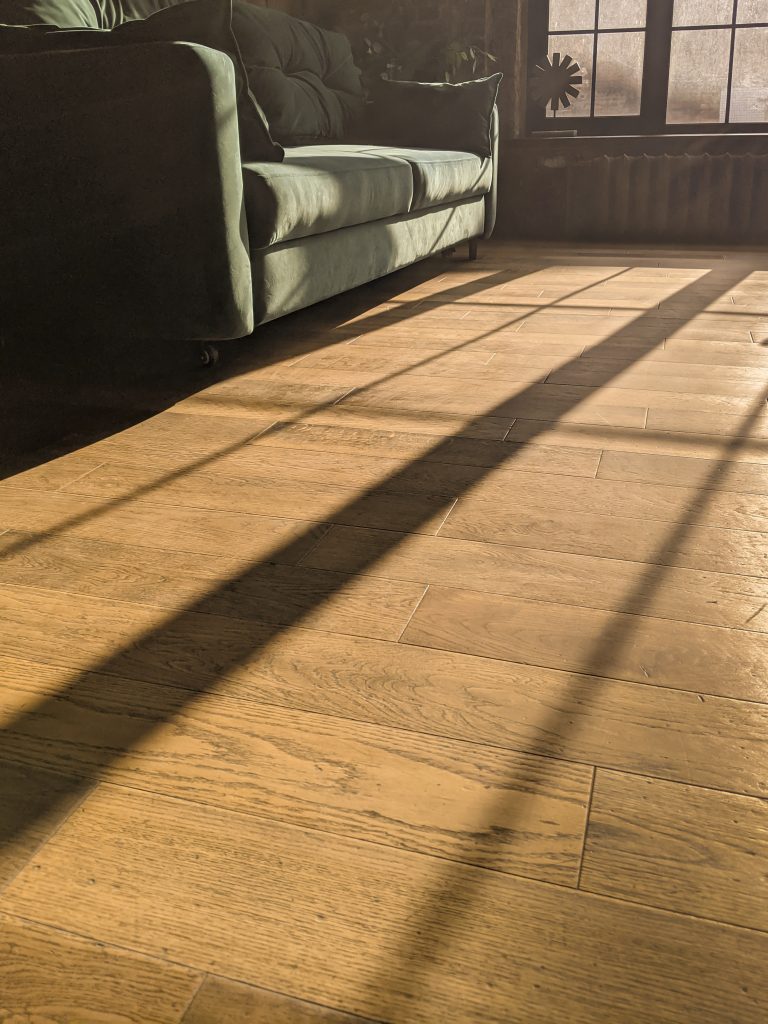
There’s something transformative about natural light. It softens edges, enhances color, and brings a sense of openness that no artificial lighting can replicate. In homes designed to embrace sunlight whether through large windows, open floor plans, or thoughtful orientation, every design choice plays a role in how that light is experienced.
Among those choices, flooring is one of the most influential. Hardwood, in particular, has a unique ability to interact with natural light in a way that feels both timeless and dynamic. For design-conscious homeowners, it offers an opportunity to not only brighten a space, but to elevate it entirely.
When chosen and styled thoughtfully, hardwood flooring can amplify natural light, enhance spatial flow, and create a home that feels effortlessly luminous from morning to evening.
Natural light doesn’t just illuminate a room, it reveals it. It highlights undertones, emphasizes texture, and shifts throughout the day, creating subtle changes in mood and atmosphere. Because hardwood is a natural material, it responds beautifully to this movement.
In sun-filled rooms, lighter hardwood tones tend to reflect more light, helping spaces feel larger and more open. Pale oak, soft maple, and whitewashed finishes are especially effective in creating that airy, expansive look. These tones don’t compete with the light; they work with it, gently bouncing it throughout the room and enhancing its reach.
That said, maximizing light isn’t only about choosing the lightest option available. It’s about balance. Mid-tone woods can add warmth without absorbing too much light, while still offering enough contrast to ground a space. The key is selecting a finish that complements both the amount of sunlight your room receives and the overall mood you want to create.
Finish plays an equally important role in how hardwood interacts with light. A high-gloss surface will reflect light more directly, creating a polished, almost mirror-like effect. In certain spaces, this can feel dramatic and refined. However, for many modern interiors, a matte or satin finish offers a softer, more natural look.
These lower-sheen finishes diffuse light rather than sharply reflecting it, reducing glare while still maintaining brightness. They also tend to highlight the natural grain of the wood, adding depth and character without overwhelming the space. In rooms where sunlight is abundant, this approach often feels more relaxed and livable.
Plank size and layout further influence how light moves through a room. Wider planks create fewer visual interruptions, allowing light to travel more freely across the floor. This can make a space feel more expansive and cohesive. Similarly, running planks in the direction of the main light source, such as parallel to large windows, can subtly enhance the flow of light, guiding the eye and reinforcing a sense of openness.
In more design-forward spaces, patterns like herringbone or chevron can add visual interest without diminishing brightness. When executed in lighter tones, these layouts catch light at different angles, creating a dynamic interplay that evolves throughout the day.
Color coordination throughout the room is essential in maximizing the effect of natural light. Hardwood flooring should feel like part of a larger composition, working in harmony with walls, furnishings, and textiles. Soft, neutral wall colors like warm whites, light grays, or muted earth tones, help reflect light and create a seamless backdrop.
Layering in complementary textures enhances this effect. Light, breathable fabrics, minimal window treatments, and thoughtfully chosen decor allow sunlight to move freely while adding depth to the space. The goal is not to compete with the light, but to let it take center stage.
Rugs can also play a role, though they should be used with intention. In sun-filled rooms, lighter area rugs with subtle patterns or natural fibers help maintain brightness while adding comfort. They can define spaces within an open layout without interrupting the flow of light across the floor.
At the same time, it’s important to avoid over-layering. Too many dark or heavy elements can absorb light and diminish the effect you’re trying to achieve. A more restrained approach focusing on a few well-chosen pieces, often feels more aligned with the openness that natural light brings.
One of the most compelling aspects of hardwood in sun-filled rooms is how it changes throughout the day. Morning light may cast a soft, golden hue, while afternoon light feels brighter and more direct. In the evening, the floor can take on a deeper, more muted tone. This natural variation adds a sense of movement and life to the space, making it feel dynamic rather than static.
Of course, with abundant sunlight also comes the need for thoughtful care. Over time, direct exposure can cause fading or subtle shifts in color. Choosing hardwood with protective finishes, such as UV-cured coatings, helps preserve its appearance while maintaining its performance.
Simple habits like rotating rugs or adjusting window treatments during peak sunlight hours can also make a difference. These small considerations ensure that your flooring continues to look as beautiful as the day it was installed.
Ultimately, designing with natural light is about more than brightness, it’s about creating a feeling. A sense of openness, calm, and connection to the outdoors. Hardwood flooring supports that experience in a way few materials can, offering both visual warmth and enduring style.
For many homeowners, it’s an opportunity to create spaces that feel intentional yet effortless. Spaces where light is not just present, but celebrated.