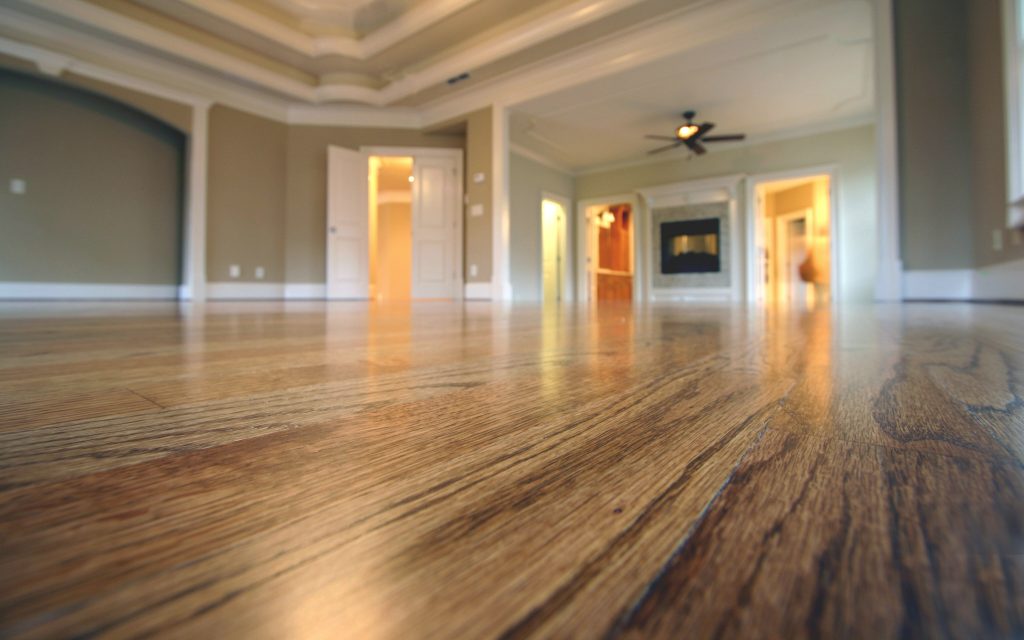
Many homeowners are often searching for more than just beautiful interiors—they want to create a living space that promotes health and well-being. While style and sophistication are essential, flooring choices can significantly impact indoor air quality, allergy triggers, and overall comfort.
Among the many flooring materials available, hardwood stands out as a top hypoallergenic choice. In this post, we’ll explore why hardwood flooring supports a healthier home environment, dispel common misconceptions, and guide you in selecting the right hardwood for both aesthetic appeal and health benefits.
What Does “Hypoallergenic” Mean in Flooring?
Hypoallergenic flooring refers to materials that are less likely to harbor allergens such as dust mites, pet dander, mold, pollen, or other airborne irritants. Unlike carpet, which can trap particles deep within its fibers, hypoallergenic flooring helps reduce indoor allergens by being easier to clean and less prone to accumulation.
A cleaner floor surface means fewer irritants in the air—resulting in better respiratory health, especially for individuals with asthma or allergies.
Why Hardwood Flooring Is Ideal for Allergy Sufferers
1. Smooth, Non-Porous Surface
One of the key reasons hardwood is hypoallergenic is its smooth, sealed surface. Unlike soft flooring materials, hardwood doesn’t have fibers to trap allergens. Dust, pollen, pet dander, and other common irritants remain on the surface—making them easy to spot and clean.
This is especially important for high-traffic areas or homes with pets and children. Regular sweeping or vacuuming (with a hardwood-safe vacuum) followed by occasional damp mopping is usually all it takes to keep hardwood floors allergen-free.
2. Mold and Mildew Resistance
Moisture is a major contributor to mold and mildew growth, which can trigger allergic reactions and respiratory issues. Hardwood flooring, especially when properly sealed and maintained, is naturally resistant to mold and mildew because it doesn’t absorb moisture like carpet or some laminates can.
Engineered hardwood with water-resistant cores can offer even more protection in areas like entryways or kitchens, where occasional spills are more likely.
3. VOC-Free and Low-Emission Finishes Available
One concern some homeowners have about wood flooring is the potential for volatile organic compounds (VOCs), which are gases emitted from certain finishes, adhesives, or underlayments. These can contribute to poor indoor air quality and may trigger headaches, eye irritation, or allergic responses.
The good news? Modern hardwood products are available with:
- Low-VOC or zero-VOC finishes
- Natural oil or wax coatings
- Adhesive-free installation methods (for floating floors)
Look for FloorScore® or GREENGUARD Gold certifications to ensure you’re choosing a product with tested low chemical emissions.
4. Doesn’t Harbor Dust Mites or Pet Dander
Dust mites are one of the most common indoor allergens, and they thrive in soft, fibrous surfaces—particularly carpets, rugs, and upholstered furniture. Hardwood offers a naturally inhospitable environment for dust mites, reducing their presence significantly in homes with hardwood flooring.
For pet owners, hardwood makes it easy to spot and clean pet hair and dander before it becomes embedded in the home environment. This also helps manage odor and improves air freshness.
Hardwood vs. Other Flooring Options for Healthy Living
| Flooring Type | Hypoallergenic? | Pros | Cons |
| Hardwood | ✅ Yes | Natural, easy to clean, long-lasting | Higher upfront cost, needs maintenance |
| Carpet | ❌ No | Soft underfoot, sound dampening | Traps allergens, harder to clean |
| Laminate | ⚠️ Sometimes | Affordable, durable | Can off-gas VOCs, not moisture-resistant |
| Vinyl (LVP/LVT) | ⚠️ Sometimes | Water-resistant, easy to clean | Varies by quality—check VOC levels |
| Tile | ✅ Yes | Non-porous, easy to sanitize | Cold underfoot, hard surface |
Design Meets Wellness: The Style Appeal of Hypoallergenic Hardwood
For those who value aesthetics, hardwood offers a wide array of colors, species, and finishes—from the deep richness of walnut to the clean minimalism of white oak. With modern design trends leaning toward open, airy, and natural interiors, hardwood flooring is a perfect match for the health-conscious home that doesn’t sacrifice style.
Some popular design-forward options include:
- Matte finishes: Great for reducing glare and showing less dust
- Wide planks: Create a spacious, modern look with fewer seams for debris to collect
- Natural stains: Complement airy summer palettes and earthy tones
- Wire-brushed or hand-scraped textures: Add interest while hiding minor wear and tear
Tips for Choosing the Right Hypoallergenic Hardwood Floor
To maximize the health benefits of hardwood flooring, keep these guidelines in mind:
- Go Natural: Choose solid or engineered wood with low- or no-VOC finishes and adhesives.
- Mind the Maintenance: Select a finish that’s easy to maintain and stands up to regular cleaning.
- Watch for Underlayment: If installing over subfloor or in floating applications, pick underlayments made from hypoallergenic, mold-resistant materials.
- Seal it Well: A well-sealed floor is your best defense against moisture and allergens.
- Avoid Overuse of Rugs: Area rugs can trap allergens—use washable rugs or skip them entirely in allergy-prone areas.
Hardwood in Every Room: Allergy-Friendly Design Beyond the Living Room
Traditionally, hardwood has been reserved for main living areas. But with advancements in finishes and engineered construction, you can now install hypoallergenic wood flooring in:
- Bedrooms: Breathe easier while you sleep with flooring that won’t trap allergens like carpet.
- Kitchens: Modern sealants protect wood floors from spills and splashes while keeping allergens at bay.
- Home offices: Improve air quality in the spaces where you spend the most time.
Just be sure to avoid areas with high, constant moisture (like full bathrooms), where tile or waterproof flooring may be a better alternative.
In today’s world, a healthy home is just as important as a stylish one. With hardwood flooring, you don’t have to choose between the two. It’s a smart, sophisticated, and health-conscious solution that supports cleaner air, easier maintenance, and timeless beauty.