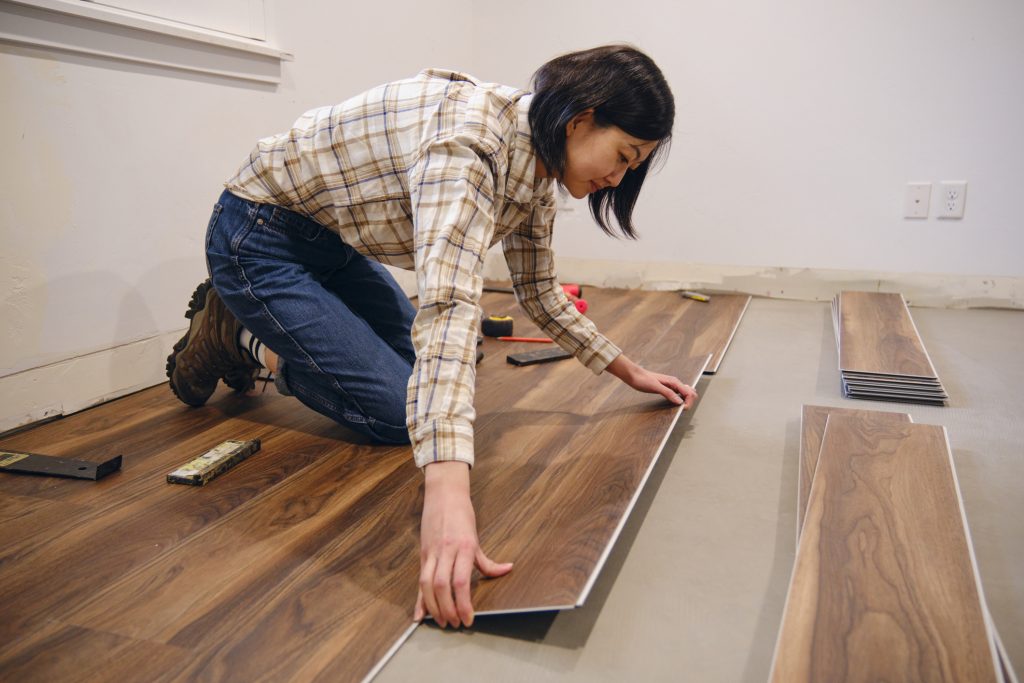
Basements have long been a versatile space in the home, serving as everything from a storage area to a fully finished living space. However, one of the biggest challenges of basement design is managing moisture. Basements are naturally prone to dampness and occasional flooding, making waterproof flooring an essential choice for homeowners looking to create a functional, stylish, and long-lasting space.
In this ultimate guide, we’ll explore the benefits of waterproof flooring, the best options available, and tips for making the most of your basement renovation.
Why Choose Waterproof Flooring for Your Basement?
Waterproof flooring is more than just a practical solution for moisture-prone areas; it’s a design-savvy choice that offers peace of mind. Here’s why it’s the go-to option for basements:
- Moisture Resistance: Basements are often below ground level, making them susceptible to water seepage and humidity. Waterproof flooring ensures that your floors can withstand these conditions without damage.
- Durability: Waterproof flooring materials are designed to resist wear and tear, making them ideal for high-traffic areas or multipurpose spaces.
- Low Maintenance: These floors are easy to clean and maintain, even in the face of spills or occasional flooding.
- Design Versatility: Modern waterproof flooring comes in a variety of styles, textures, and colors, allowing you to create a basement that’s both functional and aesthetically pleasing.
Best Waterproof Flooring Options for Basements
Not all flooring materials are created equal when it comes to water resistance. Here are the top choices for basement flooring:
- Luxury Vinyl Plank (LVP)
- Benefits: LVP is a top contender for basement flooring due to its water-resistant core and ability to mimic the look of natural wood or stone. It’s durable, comfortable underfoot, and available in a wide range of designs.
- Ideal For: Home theaters, playrooms, or multipurpose spaces.
- Tile Flooring
- Benefits: Ceramic and porcelain tiles are inherently waterproof and highly durable. They come in a variety of shapes, sizes, and finishes, making them a versatile choice for stylish basements.
- Ideal For: Laundry rooms, bathrooms, or areas with high water exposure.
- Epoxy Flooring
- Benefits: Epoxy is a seamless, waterproof coating applied directly to concrete. It’s incredibly durable and resistant to stains, making it a great choice for utility areas.
- Ideal For: Workshops, storage areas, or industrial-style designs.
- Rubber Flooring
- Benefits: Rubber flooring is waterproof, slip-resistant, and provides excellent cushioning. It’s easy to install and maintain, making it a practical option for active spaces.
- Ideal For: Home gyms, play areas, or workout spaces.
- Engineered Hardwood
- Benefits: Unlike solid hardwood, engineered hardwood features a moisture-resistant core, making it a viable option for basements with minimal water exposure.
- Ideal For: Finished basements with controlled humidity levels.
Tips for Installing Waterproof Flooring in Your Basement
Choosing the right flooring is only part of the equation. Proper installation is key to ensuring your basement floors stand the test of time. Follow these tips for a successful project:
- Prepare the Subfloor: Ensure the concrete subfloor is clean, dry, and level before installation. Address any cracks or uneven areas to prevent future issues.
- Install a Vapor Barrier: A vapor barrier provides an additional layer of protection against moisture, especially in basements prone to dampness.
- Allow for Expansion: Some flooring materials, like LVP, require a small gap around the edges to allow for expansion and contraction. Follow the manufacturer’s guidelines for installation.
- Seal Joints and Edges: For materials like tile or epoxy, ensure all joints and edges are properly sealed to prevent water infiltration.
- Consult a Professional: If you’re unsure about the installation process, hire a professional to ensure the job is done correctly and efficiently.
Design Tips for a Stylish Basement
Waterproof flooring doesn’t mean compromising on style. Here’s how to create a basement that’s both functional and beautiful:
- Choose a Cohesive Color Palette: Opt for neutral or earthy tones to create a warm and inviting space. Light colors can help brighten basements with limited natural light.
- Add Area Rugs: Layering area rugs over waterproof floors adds texture and warmth, making the space feel cozier.
- Incorporate Lighting: Use a combination of ambient, task, and accent lighting to enhance the overall atmosphere.
- Define Zones: Use different flooring patterns or rugs to delineate areas within an open-concept basement, such as a seating area, gym, or workspace.
- Embrace Wall Treatments: Complement your flooring with moisture-resistant wall treatments like beadboard, tile, or waterproof paint.
Maintaining Waterproof Flooring
One of the benefits of waterproof flooring is its low-maintenance nature. However, regular care can extend its lifespan and keep it looking its best:
- Clean Spills Promptly: Wipe up any spills immediately to prevent stains or damage to adjacent surfaces.
- Sweep and Mop Regularly: Use a soft broom or vacuum and a damp mop to keep floors clean and free of debris.
- Protect High-Traffic Areas: Use mats or runners in entryways and high-traffic zones to minimize wear and tear.
- Inspect Periodically: Check for any signs of wear, such as loose tiles or damaged seams, and address them promptly.
Waterproof flooring is the ultimate solution for transforming your basement into a functional and stylish space. With options like luxury vinyl plank, tile, and epoxy, you can create a durable foundation that stands up to moisture while reflecting your personal style. By pairing the right materials with thoughtful design and proper installation, your basement can become a year-round haven for relaxation, productivity, or entertainment.
Ready to upgrade your basement? Visit our showroom to explore our wide range of waterproof flooring options. Let us help you bring your vision to life and make your basement the envy of the neighborhood.