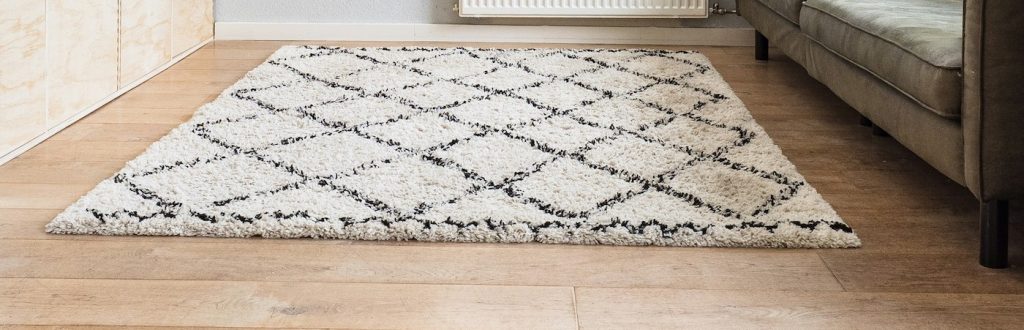
In the world of interior design, the art of mixing patterns has become a powerful tool for homeowners seeking to elevate their spaces. Among the various elements at your disposal, area rugs stand out as versatile canvases for pattern play. From bold geometrics to intricate florals, mastering the art of mixing patterns with area rugs can transform your home into a vibrant and dynamic haven. Join us as we explore the key principles and exciting possibilities of pattern play with area rugs.
- Start with a Neutral Base
When diving into pattern play, it’s essential to begin with a neutral base. Choose a foundational element in the room – whether it’s the walls, furniture, or flooring – and keep it neutral. This provides a calm backdrop that allows patterns to take center stage without overwhelming the space. Once you have a neutral canvas, you’re ready to introduce the magic of patterns through area rugs. - Anchor the Room with a Statement Rug
Begin by selecting a statement rug that sets the tone for the entire space. This rug will serve as the anchor, and its pattern will influence the patterns you introduce later. Opt for a bold design, whether it’s a vibrant geometric pattern, a classic stripe, or an intricate floral motif. Let this statement rug be a reflection of your style and the focal point that ties the room together. - Mix Scale for Visual Interest
One of the key principles in pattern play is mixing the scale of patterns for visual interest. If your statement rug features large-scale patterns, balance it with smaller-scale patterns in other elements of the room. For example, if your rug has oversized florals, consider introducing smaller geometric patterns in throw pillows, curtains, or accent furniture. This creates a dynamic and harmonious visual composition. - Blend Different Types of Patterns
To master the art of pattern mixing, don’t limit yourself to a single type of pattern. Experiment with various pattern types, such as stripes, plaids, florals, and abstract designs. The key is to maintain a cohesive color palette that ties the diverse patterns together. Mixing different types of patterns adds depth and complexity to your design, making it visually intriguing. - Coordinate Colors Carefully
Colors play a crucial role in pattern play. While you can mix different patterns, it’s essential to coordinate colors carefully. Choose a dominant color from your statement rug and use it as a guide for selecting complementary colors in other patterns. This ensures a harmonious color scheme that unifies the patterns in the room. A well-coordinated color palette prevents the patterns from clashing and creates a cohesive look. - Layer Patterns with Solid Colors
To strike a balance, pair patterns with solid colors. If your statement rug is vibrant and busy, balance it with solid-colored furniture or neutral walls. Conversely, if your rug is more subdued, introduce pops of color through patterned accent pieces. The interplay between patterns and solids adds depth and allows the eye to rest, preventing the space from feeling overwhelming. - Mix Textures for Dimension
Pattern play is not limited to visual patterns alone; textures also play a crucial role. Introduce a variety of textures in your design to add dimension and tactile interest. Consider a textured rug paired with smooth, patterned upholstery or mix a shaggy rug with sleek, patterned throw pillows. The combination of textures enhances the overall sensory experience of the room. - Use Common Elements for Unity
To create a sense of unity, incorporate common elements across different patterns. This could be a shared color, shape, or motif that repeats throughout the room. For instance, if your statement rug features circular patterns, echo those circles in smaller details like cushions, artwork, or even in the shape of furniture. This repetition establishes a visual connection between disparate patterns. - Experiment with Different Shapes
Patterns aren’t limited to squares and rectangles. Experiment with different shapes to add variety and interest. Circular rugs, hexagonal patterns, or irregular shapes can introduce a playful element to your design. Mixing different shapes within patterns and furniture arrangements contributes to an eclectic and dynamic aesthetic. - Create Zones with Patterned Rugs
Consider creating distinct zones within a room by using patterned rugs. Define seating areas, dining spaces, or reading nooks with rugs that feature complementary or coordinating patterns. This not only adds visual interest but also helps organize the space into functional and stylish zones.
In conclusion, mastering the art of mixing patterns with area rugs is a creative and rewarding endeavor. By starting with a neutral base, anchoring the room with a statement rug, mixing scale and types of patterns, coordinating colors carefully, layering patterns with solid colors, introducing textures, using common elements for unity, experimenting with different shapes, and creating zones with patterned rugs, you can achieve a harmonious and visually stunning interior. Pattern play allows you to express your personality, experiment with design elements, and create a space that is uniquely yours. So, let your creativity flourish, and embark on a journey of transforming your home with the vibrant and dynamic allure of mixed patterns.