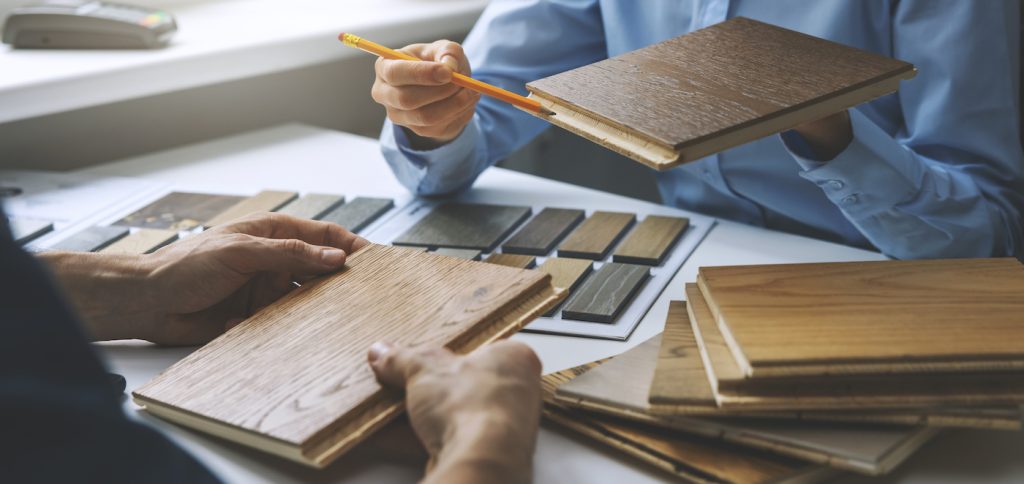
When it comes to enhancing the aesthetics of your living space, flooring plays a pivotal role. For homeowners, the choice between solid hardwood and engineered hardwood flooring can be a perplexing decision. Both options offer unique benefits and considerations, making it essential to weigh your priorities before making a selection that aligns with your home’s design vision. In this blog, we’ll delve into the characteristics of solid and engineered hardwood, helping you make an informed choice that elevates the beauty of your home.
Solid Hardwood: Timeless Elegance and Natural Charm
Solid hardwood flooring is the epitome of traditional elegance, exuding a timeless charm that has been coveted for generations. Crafted from a single plank of wood, this flooring option boasts authenticity and genuine beauty. Here’s why solid hardwood might be the right choice for your home:
- Authentic Aesthetics: The unique grain patterns and color variations found in solid hardwood create an authentic, warm, and inviting atmosphere. Each plank tells a story, making your flooring a focal point that seamlessly blends with your home’s interior design.
- Durability and Longevity: Solid hardwood floors are known for their exceptional durability and longevity. With proper care and maintenance, they can withstand decades of foot traffic and still retain their original splendor.
- Sanding and Refinishing: One of the most significant advantages of solid hardwood is its ability to be sanded and refinished multiple times. This means that if your flooring starts to show signs of wear or if you decide to change your interior design, you can easily restore or alter the finish without needing to replace the entire floor.
However, there are considerations that homeowners should keep in mind when opting for solid hardwood:
- Susceptibility to Moisture: Solid hardwood is sensitive to moisture and humidity changes, which can lead to expansion, contraction, and warping. It’s not recommended for areas with high moisture levels, such as basements or bathrooms.
- Installation Challenges: Installing solid hardwood can be labor-intensive and time-consuming. It often requires professional installation, which can add to the overall cost.
- Environmental Impact: Some homeowners prioritize sustainability. Solid hardwood may involve the harvesting of old-growth trees, which could impact ecosystems if not responsibly sourced.
Engineered Hardwood: Versatility and Stability
Engineered hardwood has gained popularity among homeowners for its versatility and stability. Comprising multiple layers of wood, with a top layer of genuine hardwood, this flooring option offers the following benefits:
- Stability in Various Environments: Engineered hardwood is more resistant to moisture and temperature fluctuations compared to solid hardwood. This makes it suitable for areas where solid hardwood might not be ideal, such as basements and areas with underfloor heating.
- Wide Range of Design Options: Engineered hardwood comes in a plethora of wood species, finishes, and styles, allowing you to find the perfect match for your design preferences. Whether you’re aiming for a rustic, contemporary, or traditional look, engineered hardwood offers a broad selection.
- Ease of Installation: Engineered hardwood often features click-lock or tongue-and-groove installation systems, making it a favorite among DIY enthusiasts. It’s also typically more cost-effective to install than solid hardwood.
- Environmental Considerations: Engineered hardwood can be a more sustainable option. The use of a hardwood veneer for the top layer means that fewer hardwood resources are used compared to solid hardwood.
However, homeowners should be aware of the following aspects when considering engineered hardwood:
- Wear Layer Thickness: The number of times an engineered hardwood floor can be sanded and refinished depends on the thickness of the top hardwood layer. Thicker wear layers offer more flexibility in terms of refinishing.
- Perceived Authenticity: While engineered hardwood closely resembles solid hardwood, some purists might still perceive it as less authentic due to the presence of non-hardwood layers.
Choosing Wisely: Matching Your Home’s Design Vision
In the end, the choice between solid and engineered hardwood comes down to your priorities and the specific needs of your home. If authenticity, tradition, and the ability to refinish are paramount, solid hardwood might be your preferred option. On the other hand, if versatility, stability, and a wide range of design choices are more aligned with your vision, engineered hardwood could be the right fit.
Whichever option you choose, it’s essential to consult with flooring professionals who can provide expert advice based on your home’s unique characteristics and your design preferences. By making a well-informed decision, you’ll be able to lay the foundation for a stunning interior that harmonizes seamlessly with your design-conscious sensibilities.